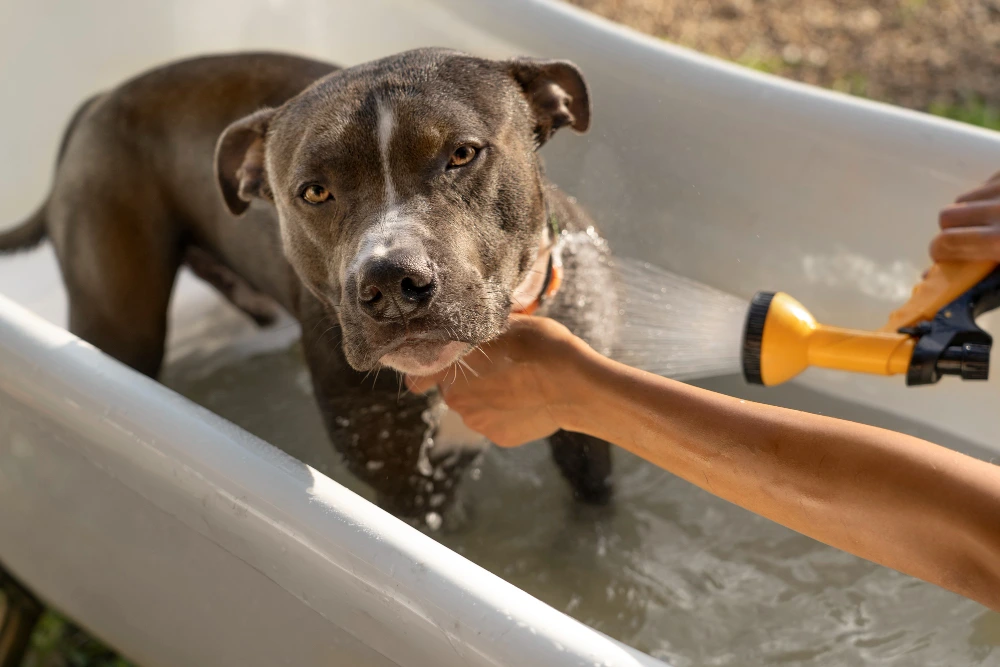
Essential Dog Bathing Tips for a Stress-Free Experience
Dogs are more than pets in American households — they are family. Keeping your furry family member clean is one of the most important parts of responsible dog ownership. Whether you have a golden retriever, a French bulldog, or a tiny chihuahua, knowing the right dog bathing tips can make bath time a stress-free experience for both you and your pup.
This guide covers everything — from how often to bathe your dog to the best products, step-by-step techniques, and expert advice for handling nervous dogs.
Why Regular Dog Bathing Matters for Your Pet’s Health
A clean dog is a healthy dog. Regular bathing removes dirt, allergens, bacteria, and dead skin cells from your dog’s coat. It helps you spot skin issues, ticks, fleas, or lumps early. Early detection prevents serious health problems.
Many US dog owners skip baths because they are unsure how to do it right. An improper bath can cause harm — stripping natural oils, irritating the skin, causing ear infections if water gets trapped inside the ear canal.
Learning the correct dog bathing routine is a one-time investment that pays off every single time your dog rolls in the mud.

How Often Should You Bathe Your Dog?
This is one of the most common questions among American dog owners. The answer depends on several factors.
Dog Breed and Coat Type
Short-haired breeds like beagles and boxers need a bath roughly every 4 to 6 weeks. Double-coated breeds like huskies and Labrador retrievers can go 6 to 8 weeks between baths. Long-haired breeds like shih tzus and maltese may need bathing every 2 to 3 weeks to prevent matting and odor.
Your Dog’s Lifestyle
An outdoor dog who loves hiking, swimming, digging in the yard needs more frequent baths than an indoor lap dog. A dog swimming in a lake or playing in the mud needs a bath right after the activity regardless of schedule.
Skin and Allergy Conditions
Dogs with skin allergies or conditions may need medicated baths weekly, as recommended by a veterinarian. Follow your vet’s advice when bathing a dog with sensitive skin.
General Rule: Most dogs in the US do well with one bath per month. Bathing too often strips the natural oils from their coat and causes dry, flaky skin.
What You Need Before the Bath: Dog Bathing Supplies Checklist
Preparation is everything. Gather your dog bathing supplies before bringing your dog into the bathroom. Preparation saves time and prevents a wet dog running through your house.
Essential Dog Bathing Supplies
Dog Shampoo — Never use human shampoo. A dog’s skin has a different pH level than human skin. Use a vet-approved dog shampoo suited to your dog’s coat type. For dogs with sensitive skin, look for oatmeal-based or hypoallergenic formulas.
Dog Conditioner — A good dog conditioner after bath helps detangle fur, reduce shedding, and leave the coat soft and shiny. This step is especially helpful for long-haired breeds.
Non-Slip Dog Bath Mat — Place a rubber non-slip mat inside the tub. This keeps your dog stable and reduces anxiety caused by slipping on a wet surface.
Dog Bath Brush — A silicone or rubber dog bath brush helps work shampoo deep into the coat and gives your dog a gentle massage. Most dogs love the sensation.
Cotton Balls — Place a cotton ball loosely at the entrance of each ear to prevent water from getting inside the ear canal during the bath.
Towels or Dog Dryer — Have at least two absorbent towels ready. If your dog has a thick or long coat, a dog-specific blow dryer on a low, cool setting speeds up drying and prevents mildew smell in the coat.
Treats — High-value treats make bath time a positive experience. Reward your dog before the bath, during the bath, after the bath. Build a positive association.
Step-by-Step Dog Bathing Tips for Beginners
Step 1: Brush Before the Bath
Always brush your dog thoroughly before getting them wet. Water causes mats and tangles to tighten, making them nearly impossible to remove after the bath. Use a slicker brush or a de-shedding tool suited to your dog’s coat type.
Step 2: Set the Right Water Temperature
Use lukewarm water — not hot, not cold. Dog skin is sensitive to temperature. Water that feels slightly warm on your wrist is the right temperature. Hot water can burn your dog’s skin, and cold water makes the experience unpleasant.
Step 3: Wet the Coat Thoroughly
Use a handheld showerhead or a cup to wet your dog’s coat completely from the neck down. Avoid spraying water directly on the face. Make sure water reaches all the way through thick coats down to the skin.
Step 4: Apply Dog Shampoo
Squeeze a palm-sized amount of dog shampoo and work it into a lather starting at the neck. Move down the back, belly, legs, and tail. Use your fingers or a dog bath brush in circular motions to massage the shampoo deep into the coat. This helps remove embedded dirt and dead skin cells.
Pay special attention to areas that collect grime — under the armpits, between the paw pads, around the collar area, and underneath the tail.
Step 5: Rinse Completely
This is the most important step many dog owners rush through. Leftover shampoo residue on the skin is a leading cause of itching after a dog bath. Rinse until the water running off your dog is completely clear. Rinse again for another 30 seconds.
Step 6: Apply Conditioner
Apply dog conditioner after rinsing out the shampoo. Some conditioners need a few minutes to work before rinsing. Rinse thoroughly just like you did with the shampoo.
Step 7: Dry Your Dog Properly
Start by squeezing excess water from the coat with your hands. Then wrap your dog in a large absorbent towel and pat — do not rub — the coat dry. Rubbing creates tangles and can irritate the skin.
If using a blow dryer, keep it on the lowest heat setting and keep it moving. Never hold the dryer in one spot on the coat. Dry the coat completely, especially in thick-coated breeds. A damp undercoat can develop a musty smell and cause skin issues.
Dog Bathing Tips for Small Dogs
Bathing small dogs at home requires a slightly different approach. Small breeds like chihuahuas, dachshunds, and toy poodles can be bathed in a bathroom sink rather than a full tub.
Use a gentle tearless dog shampoo for small breeds. Their skin surface area is smaller but their skin is just as sensitive. A detachable faucet sprayer makes rinsing small dogs much easier. Keep the experience short and reward generously with treats throughout.
How to Bathe a Large Dog at Home
Large dogs like German shepherds, golden retrievers, and great danes present a different challenge. An outdoor garden hose with a spray nozzle works well during warm months in the US. Set up a designated washing station in your backyard with a rubber mat, shampoo, and towels within reach.
During colder months, a walk-in shower works best for large dogs. Self-service dog washing stations at many pet stores in the United States are affordable, equipped with professional tools, and keep your bathroom clean.
Bathing a Dog with Sensitive Skin
Choose the Right Shampoo
Dogs with sensitive skin need a soap-free, fragrance-free, and hypoallergenic dog shampoo. Oatmeal-based shampoos are a popular choice among US pet owners because they soothe irritated skin without causing further dryness.
Keep Baths Short and Infrequent
Over-bathing strips the natural oils that protect sensitive skin. For dogs with skin conditions, consult your veterinarian about the ideal bathing frequency and medicated shampoo options.
Check for Reactions After the Bath
Watch your dog for excessive scratching, redness, or hair loss in the days following a bath. These can be signs of a product reaction or an underlying allergy. If symptoms appear, switch products and consult your vet.
Tips for Bathing a Dog That Hates Water
A dog that hates bath time is a common challenge in American households. The goal is to turn bath time into something your dog tolerates — or even looks forward to.
Start Slow and Stay Calm
Dogs mirror their owner’s energy. If you approach bath time with anxiety or frustration, your dog picks up on it immediately. Stay calm, move slowly, and speak in a gentle reassuring voice throughout the process.
Use Desensitization
Introduce your dog to the bathroom and the tub without water first. Let them sniff around and explore. Place treats in the tub so they associate it with good things. Over several days, gradually add water and build up to a full bath.
Lick Mats Are a Game Changer
A lick mat spread with peanut butter or wet dog food and stuck to the tub wall keeps a nervous dog occupied and calm during the bath. This is one of the most effective dog bathing tips used by professional groomers across the US.
Never Force It
Forcing a dog into the tub builds lasting negative associations with bath time. If your dog is severely stressed by baths, consider professional grooming services or mobile dog grooming options, which are widely available in most US cities.
Bathing a Puppy for the First Time
Puppies under 8 weeks should not be bathed with water — use a warm damp cloth instead. Once your puppy is old enough, the first bath sets the tone for every bath that follows.
Keep the first bath very short — under 5 minutes. Use warm water and a gentle tearless puppy shampoo. Praise and treat throughout the entire process. End the bath on a positive note with playtime or a special treat.
Waterless Dog Shampoo: When and How to Use It
Waterless dog shampoo is a spray or foam product that cleans your dog’s coat without a full bath. It is perfect for spot cleaning between baths, freshening up a smelly dog in winter when a full bath is inconvenient, or cleaning a dog that is elderly, injured, or recovering from surgery.
Spray or work the waterless shampoo into the coat, massage it in, and then wipe with a clean dry towel.
Professional Dog Bathing vs. Bathing at Home
Many US dog owners wonder whether professional grooming is worth the cost. Both options have their place.
Bathing your dog at home is cost-effective and can strengthen your bond with your pet. It gives you the chance to examine your dog’s skin, coat, and body closely on a regular basis.
Professional groomers have specialized tools, experience with all breed types, and the ability to handle difficult dogs safely. They also offer add-on services like nail trimming, ear cleaning, and gland expression that are harder to do at home.
A good approach for most dog owners is to bathe their dog at home monthly and visit a professional groomer every 2 to 3 months for a full grooming session.
Common Dog Bathing Mistakes to Avoid
Using Human Shampoo — Human shampoos disrupt the pH balance of dog skin and cause dryness, irritation, and dandruff.
Skipping the Pre-Bath Brush — Brushing before the bath prevents mats from tightening and makes the shampoo more effective.
Getting Water in the Ears — Water trapped in the ear canal causes painful ear infections. Always use cotton balls during the bath and dry the outer ear gently after.
Incomplete Rinsing — Shampoo residue left on the skin is one of the most common causes of post-bath itching and skin irritation.
Bathing Too Often — More is not better when it comes to dog baths. Over-bathing strips natural oils and leads to a dull, dry coat and irritated skin.
Rewarding Escape Attempts — If your dog jumps out of the tub and you immediately comfort them with treats, you are rewarding the escape behavior. Reward calm behavior during the bath instead.
Final Thoughts: Dog Bathing Tips
Bath time does not have to be a battle. With the right supplies, the right technique, and a little patience, bathing your dog at home becomes a simple part of your regular pet care routine.
Start with the right dog shampoo for your breed, gather your supplies before bringing your dog in, follow the step-by-step bathing process, and always end on a positive note with treats and praise. Whether you have a tiny chihuahua or a giant great dane, these dog bathing tips work for every dog and every household across the United States.
A clean dog is a happy dog — and a happy dog makes for an even happier home.