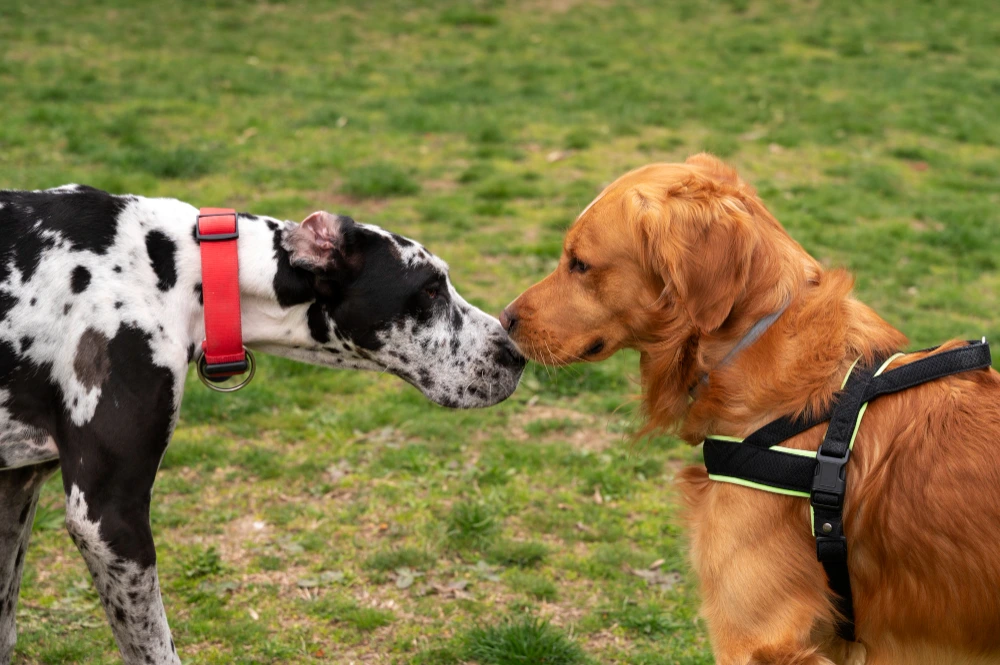
Understanding Dog Communication Signals: A Guide for Owners
Dogs may not speak human language, but they are constantly communicating. From a wagging tail to a subtle ear movement, dogs rely on a complex system of dog communication signals to express emotions, intentions, and needs. Understanding these signals is one of the most important skills a dog owner can develop.
For dog owners in the United States, learning to read dog body language signals can improve training, prevent behavioral issues, and strengthen the human–dog bond. Whether you have a playful puppy, a rescued adult dog, or a senior companion, understanding canine communication can help you respond appropriately and keep everyone safe.
This comprehensive guide explains how dogs communicate, what their signals mean, and how you can use this knowledge in everyday life.
What Are Dog Communication Signals?
Dog communication signals are the physical, vocal, and behavioral cues dogs use to interact with humans and other animals. These signals can express happiness, fear, stress, excitement, playfulness, or aggression.
Dogs evolved as social animals, and their survival depended on effective communication. Today, those same signals help dogs navigate life with humans in homes, parks, and communities across the USA.
Key Types of Dog Communication Signals
- Body language signals
- Facial expressions
- Vocal communication
- Social and pack signals
- Calming and stress signals
Understanding these signals allows dog owners to interpret behavior accurately instead of guessing or mislabeling a dog as “bad” or “disobedient.”

Why Understanding Dog Communication Signals Is Important
Understanding dog communication body language is essential for several reasons:
- Prevents bites and aggressive incidents
- Improves training and obedience
- Builds trust between dogs and owners
- Helps recognize fear, stress, or pain early
- Enhances dog-to-dog social interactions
Many dog behavior problems in the U.S. stem from miscommunication. Dogs often give clear warning signs before reacting, but humans may miss or misunderstand them.
How Dogs Communicate With Humans
Dogs have adapted their communication specifically for humans. Over thousands of years of domestication, dogs learned how to use eye contact, facial expressions, and body posture to interact with people.
Common ways dogs communicate with humans include:
- Looking directly at owners for guidance
- Using vocalizations like barking or whining
- Offering calming signals to avoid conflict
- Mimicking human emotional responses
Understanding how dogs communicate with humans helps owners respond with empathy rather than punishment.
Dog Body Language Signals Explained
Dog Body Language Signals Overview
Body language signals are the most important and reliable form of canine communication. Dogs communicate with their entire body, not just one part at a time.
To accurately read dog communication signals, always look at the whole dog, not a single behavior.
Dog Tail Wagging Meanings
Many people believe tail wagging always means a dog is happy, but that’s not always true.
Types of Tail Wagging
- Loose, wide wag: Friendly and relaxed
- Fast, stiff wag: High arousal or possible agitation
- Low tail wag: Insecurity or nervousness
- Tail tucked: Fear or submission
The position, speed, and stiffness of the tail all contribute to the message.
Dog Ear Positions Meaning
A dog’s ears provide strong clues about emotional state.
- Ears forward: Alert or interested
- Ears relaxed: Calm and comfortable
- Ears pinned back: Fear, anxiety, or submission
- One ear up, one down: Uncertainty or curiosity
Breed differences matter, so always consider natural ear shape.
Dog Eye Contact Signals
Dogs use their eyes to communicate intentions and emotions.
Eye-Related Signals
- Soft eyes: Relaxed and content
- Hard stare: Warning or challenge
- Avoiding eye contact: Stress or submission
- Whale eye (showing whites): Anxiety or discomfort
In many cases, prolonged staring is a warning sign, not affection.
Dog Facial Expressions Meaning
Dogs have expressive faces that communicate subtle emotions.
- Relaxed mouth = calm
- Tight mouth = stress
- Exposed teeth = warning
- Raised eyebrows = curiosity or concern
Yawning, lip licking, and blinking are also powerful communication tools.
Dog Posture Communication
A dog’s posture reveals confidence, fear, or readiness to react.
- Loose, wiggly posture: Friendly and playful
- Stiff body: Tension or aggression
- Crouching: Fear or submission
- Leaning forward: Assertiveness or curiosity
Posture often changes quickly depending on the situation.
Calming and Stress Signals in Dogs
What Are Calming Signals in Dogs?
Calming signals are behaviors dogs use to reduce tension and avoid conflict. These signals are common in dog-to-dog and dog-to-human communication.
Common Calming Signals
- Lip licking
- Yawning
- Turning head away
- Sniffing the ground
- Slow movement
Dogs often display calming signals when they feel overwhelmed or unsure.
Signs of Stress in Dogs
Recognizing stress signals in dogs early can prevent escalation.
Common Stress Signals
- Excessive panting
- Pacing
- Trembling
- Excessive shedding
- Avoidance behaviors
Stress is common during vet visits, grooming, travel, or crowded environments.
Signs of Fear in Dogs
Fear-based communication signals are especially important for safety.
- Tail tucked
- Ears pinned back
- Freezing
- Growling
- Attempting to escape
Fearful dogs should never be punished for communicating discomfort.
Dog Vocal Communication Signals
Understanding Dog Vocalizations
Dogs use vocal sounds to communicate urgency, emotion, and needs.
Dog Barking Meanings
Different barks communicate different messages.
- Short, sharp bark: Alert or warning
- Continuous barking: Excitement or frustration
- High-pitched bark: Playfulness or anxiety
- Low-pitched bark: Serious warning
Context matters more than volume.
Dog Growling Communication
Growling is a warning signal, not bad behavior.
Dogs growl to:
- Protect resources
- Express discomfort
- Set boundaries
Punishing growling can remove warning signs and increase bite risk.
Dog Whining Behavior
Whining often communicates emotional needs.
- Attention seeking
- Anxiety
- Pain or discomfort
- Excitement
Persistent whining should be evaluated carefully.
Dog Howling Meaning
Howling is an instinctive communication behavior.
Common reasons include:
- Responding to sirens
- Separation anxiety
- Communication with other dogs
Dog-to-Dog Communication Signals
Canine Social Signals
Dogs use body language to interact peacefully with other dogs.
- Play bows
- Curved approaches
- Mutual sniffing
These signals help prevent conflict.
Dog Play Behavior Signals
Play looks rough but follows clear rules.
Healthy play includes:
- Role reversals
- Pauses
- Loose movements
If play becomes stiff or one-sided, intervention may be needed.
Dominance vs Submission in Dogs
Modern behavior science focuses less on dominance and more on contextual communication.
Submission signals include:
- Rolling over
- Avoiding eye contact
- Lowering body
These signals aim to reduce conflict, not show weakness.
Aggressive Dog Warning Signs
Early Signs of Dog Aggression
Dogs rarely bite without warning.
Early warning signs include:
- Freezing
- Hard staring
- Raised hackles
- Growling
Recognizing these signals can prevent serious incidents.
Dog Signals Before Biting
Common pre-bite signals:
- Stiff body
- Lip lifting
- Showing teeth
- Snapping without contact
Immediate distance and professional help are recommended.
Understanding Dog Communication During Training
Dog Communication Signals in Training Sessions
Training works best when owners understand dog signals.
Signs a dog is overwhelmed during training:
- Avoiding eye contact
- Excessive yawning
- Disengaging
Training should always remain positive and stress-free.
Dog Stress Signals During Training
Overtraining can cause confusion and anxiety.
Watch for:
- Slowing responses
- Frustration barking
- Loss of interest
Short, positive sessions yield better results.
How to Improve Communication With Your Dog
Tips for Reading Dog Body Language
- Observe the whole body
- Watch for clusters of signals
- Respect warning signs
- Avoid forcing interactions
How Owners Should Respond to Dog Signals
Responding correctly builds trust.
- Calm signals → calm response
- Fear signals → give space
- Play signals → engage appropriately
Dogs learn quickly when communication is respected.

Dog Communication and Safety for Families
Dog Communication With Children
Children often misread dog signals.
Teach kids to:
- Avoid hugging dogs tightly
- Respect resting dogs
- Recognize warning signs
Supervision is essential in family homes.
Dog Communication Signals in Public Spaces
At parks and on walks, watch for:
- Overstimulation
- Leash frustration
- Fear of strangers
Understanding signals prevents negative encounters.
FAQs:
What are the most common dog communication signals?
Tail wagging, ear position, eye contact, posture, barking, and calming signals.
Do dogs communicate differently with humans than other dogs?
Yes, dogs adapt their signals to humans using more eye contact and facial expressions.
Can dogs learn better communication with training?
Yes. Positive training improves understanding on both sides.
Final Thoughts: Dog Communication Signals
Understanding dog communication signals is one of the most valuable skills a dog owner can have. Dogs are constantly communicating through body language, facial expressions, vocalizations, and behavior. When humans learn to listen, dogs feel safer, more confident, and more connected.