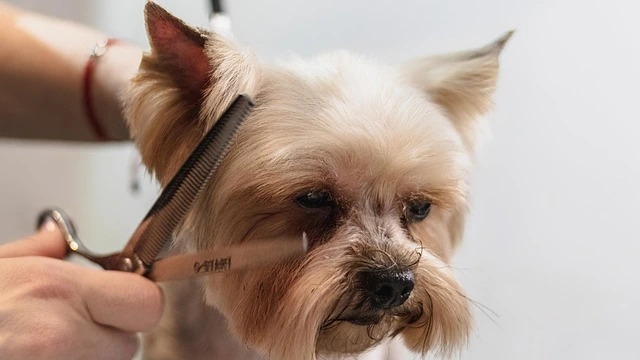
Essential Dog Grooming Tips for a Healthy, Happy Pup
Dog Grooming Tips is one of the most essential yet overlooked parts of responsible dog ownership. For dog owners in the United States, grooming is not just about maintaining appearance—it directly impacts a dog’s health, hygiene, comfort, and emotional stability.
Regular grooming can prevent painful skin conditions, reduce shedding, improve coat quality, and even extend your dog’s lifespan. Whether you own a puppy, an adult dog, or a senior companion, understanding proper dog grooming tips will help you provide better care and build a stronger bond with your pet.
This article is covers everything from basic grooming routines to advanced at-home grooming techniques.
Dog Grooming Explained in Simple Terms
Dog grooming refers to the routine care of a dog’s physical body, including cleaning, brushing, trimming, and inspecting different parts of the dog’s body.
What Dog Grooming Includes
- Brushing and coat care
- Bathing and drying
- Nail trimming
- Ear cleaning
- Dental hygiene
- Paw and pad care
Grooming can be performed by dog owners at home or by professional dog groomers, but both serve the same goal: keeping dogs healthy and comfortable.

Why Dog Grooming Is Not Optional
Many dog owners mistakenly believe grooming is optional, especially for short-haired or indoor dogs. This is not true.
Health Risks of Poor Grooming
- Skin infections
- Ear infections
- Overgrown nails causing pain
- Dental disease
- Parasite infestations
Benefits of Regular Dog Grooming
- Early detection of health issues
- Improved skin and coat condition
- Reduced shedding inside the home
- Better odor control
- Happier, more relaxed dogs
Veterinarians across the USA consistently emphasize grooming as a preventive healthcare practice.
How Dog Grooming Supports Long-Term Health
Grooming and Skin Health
Regular grooming removes dirt, bacteria, and allergens that can irritate the skin. It also stimulates blood circulation, which promotes healthier skin and coat growth.
Grooming and Joint Health
Proper nail trimming prevents joint strain and posture problems, especially in older dogs.
Grooming and Dental Health
Poor dental hygiene can lead to gum disease, infections, and organ damage. Grooming routines that include dental care can significantly improve overall health.
Understanding Dog Coat Types Before Grooming
Knowing your dog’s coat type is essential for choosing the right grooming tools and techniques.
Short-Haired Dog Grooming Needs
Short-haired dogs still shed and produce oils.
- Weekly brushing is necessary
- Skin inspection is important
- Bathing should be gentle
Medium-Haired Dog Grooming Needs
Medium coats require balanced grooming.
- Brushing several times per week
- Seasonal shedding management
- Occasional trimming
Long-Haired Dog Grooming Needs
Long coats require the most care.
- Daily brushing is recommended
- Mats must be removed early
- Professional grooming may be needed
Double-Coated Dog Grooming Needs
Double coats protect dogs from heat and cold.
- Never shave the coat
- Use deshedding tools
- Increase grooming during shedding seasons
Dog Grooming Tips for First-Time Dog Owners
First-time dog owners often feel overwhelmed by grooming.
How to Start Grooming a Dog Safely
- Introduce grooming slowly
- Allow your dog to explore tools
- Use treats as rewards
- Stop if your dog shows stress
Why Early Grooming Training Matters
Dogs that learn grooming early are:
- Easier to handle
- Less anxious
- More cooperative at vet visits
Creating a Dog Grooming Routine That Works
A grooming routine provides structure and predictability.
Why Consistency Is Important
- Reduces fear and resistance
- Makes grooming easier over time
- Improves cooperation
Building a Weekly Grooming Schedule
- Daily body check
- Brushing several times per week
- Monthly bathing
- Regular nail trims
Consistency matters more than perfection.
At-Home Dog Grooming Tips for Busy American Families
Many U.S. dog owners prefer grooming at home due to cost and convenience.
Advantages of Grooming Your Dog at Home
- Saves hundreds of dollars yearly
- Reduces travel stress
- Allows flexible timing
- Strengthens trust
Preparing a Calm Grooming Environment
- Choose a quiet room
- Remove distractions
- Keep sessions short
- Always stay calm
Essential Dog Grooming Tools You Should Own
Using proper tools makes grooming safer and more effective.
Must-Have Dog Grooming Supplies
- Coat-specific brushes
- Dog-safe shampoo
- Nail clippers or grinder
- Ear cleaning solution
- Toothbrush and toothpaste
Never use tools designed for humans.
Brushing Your Dog’s Coat: A Detailed Guide
Brushing is the foundation of all grooming.
Benefits of Regular Brushing
- Removes loose hair
- Prevents matting
- Reduces shedding
- Improves circulation
How to Brush Without Causing Discomfort
- Brush gently
- Avoid tugging
- Focus on problem areas
- Increase frequency during shedding
Dog Shedding Control Tips for a Cleaner Home
Shedding is natural but manageable.
Common Causes of Excessive Shedding
- Poor nutrition
- Stress
- Lack of grooming
- Seasonal changes
How to Reduce Dog Shedding Naturally
- Regular brushing
- High-quality diet
- Adequate hydration
- Routine bathing
Dog Bathing Tips for Safe and Effective Cleaning
Bathing keeps your dog clean but must be done correctly.
How Often Should You Bathe a Dog?
Most dogs only need bathing every 4–6 weeks.
Step-by-Step Dog Bathing Process
- Brush before bathing
- Use lukewarm water
- Apply dog shampoo evenly
- Rinse thoroughly
- Dry completely
Choosing the Right Dog Shampoo
Why Dog-Specific Shampoo Matters
Dogs have sensitive skin and different pH levels than humans.
Ingredients That Support Skin Health
- Oatmeal
- Aloe vera
- Coconut-based cleansers
Avoid artificial fragrances and harsh chemicals.
Natural Dog Grooming Tips for Sensitive Skin
Many dog owners prefer natural grooming solutions.
Benefits of Natural Grooming Products
- Reduced irritation
- Fewer allergic reactions
- Safer for puppies and seniors
Common Natural Ingredients Used
- Chamomile
- Shea butter
- Colloidal oatmeal

Dog Nail Trimming Tips for Nervous Dogs
Nail trimming causes anxiety for many dogs.
Why Nail Care Is Essential
- Prevents pain
- Improves posture
- Reduces injury risk
How to Trim Nails Without Stress
- Trim small amounts
- Go slowly
- Use rewards
Dog Ear Cleaning Tips to Avoid Infections
Ear infections are common but preventable.
Signs Your Dog’s Ears Need Cleaning
- Head shaking
- Unpleasant odor
- Redness
Safe Ear Cleaning Practices
- Use vet-approved products
- Clean outer ear only
- Never insert objects
Dog Dental Care Tips for Long-Term Health
Dental hygiene affects overall health.
Why Dog Dental Care Is Critical
Poor oral health can affect:
- Heart
- Kidneys
- Liver
How to Maintain Dog Dental Hygiene
- Brush regularly
- Use dental chews
- Schedule vet cleanings
Paw and Pad Grooming Tips for All Seasons
Paws experience daily wear.
Why Paw Grooming Matters
- Protects from heat and cold
- Prevents cracking
- Reduces infection risk
Daily Paw Care Habits
- Inspect after walks
- Clean debris
- Moisturize pads
Seasonal Dog Grooming Tips
Summer Grooming Tips
- Increase brushing
- Check for parasites
- Avoid shaving double coats
Winter Grooming Tips
- Protect paws from salt
- Keep coat dry
- Moisturize skin
Grooming Tips for Puppies
Why Early Grooming Is Important
Early grooming builds tolerance and trust.
Safe Puppy Grooming Practices
- Gentle handling
- Short sessions
- Positive reinforcement
Grooming Tips for Adult Dogs
Adult dogs benefit from routine.
Maintaining Adult Dog Grooming
- Consistent brushing
- Regular bathing
- Ongoing nail care
Senior Dog Grooming Tips
Older dogs require special care.
How to Groom Senior Dogs Safely
- Use soft tools
- Avoid long sessions
- Watch for discomfort
Small Dog Grooming Tips
Special Needs of Small Breeds
- Fragile nails
- Sensitive skin
- Frequent dental care
Large Dog Grooming Tips
Challenges with Large Dogs
- More strength needed
- Longer grooming time
- Proper restraint
Long-Haired Dog Grooming Tips
Preventing Mats and Tangles
- Daily brushing
- Conditioning sprays
- Regular trims
Short-Haired Dog Grooming Tips
Why Short-Haired Dogs Still Need Grooming
- Oil buildup
- Skin health
- Odor control
Stress-Free Dog Grooming Tips
How to Keep Grooming Calm
- Groom after exercise
- Use calm voice
- End sessions positively
Professional Dog Grooming vs Home Grooming
When Professional Grooming Is Necessary
- Severe matting
- Breed-specific styling
- Medical grooming
Balanced Grooming Approach
Many U.S. dog owners combine home grooming with occasional professional visits.

Common Dog Grooming Mistakes to Avoid
- Over-bathing
- Skipping brushing
- Ignoring dental care
- Rushing grooming
Frequently Asked Questions About Dog Grooming
What are the 7 steps of grooming a dog?
Brushing, bathing, drying, trimming nails, cleaning ears, brushing teeth, and finishing touches.
What are common dog grooming mistakes?
Improper brushing (wet fur, against growth, neglecting undercoat), incorrect nail trimming (cutting too short), over-bathing (stripping oils), poor bathing technique (using human shampoo, not rinsing well), neglecting ears/teeth, and shaving double-coated breeds.
What does FFF mean in dog grooming?
Face, Feet, and Fanny.
Final Thoughts: Why Dog Grooming Tips Matter
Dog grooming is an essential responsibility, not a luxury. With the right dog grooming tips, you can ensure your dog remains healthy, comfortable, and confident throughout their life.
For dog owners in the USA, combining consistent at-home grooming, natural products, and professional help when needed creates the best grooming strategy.