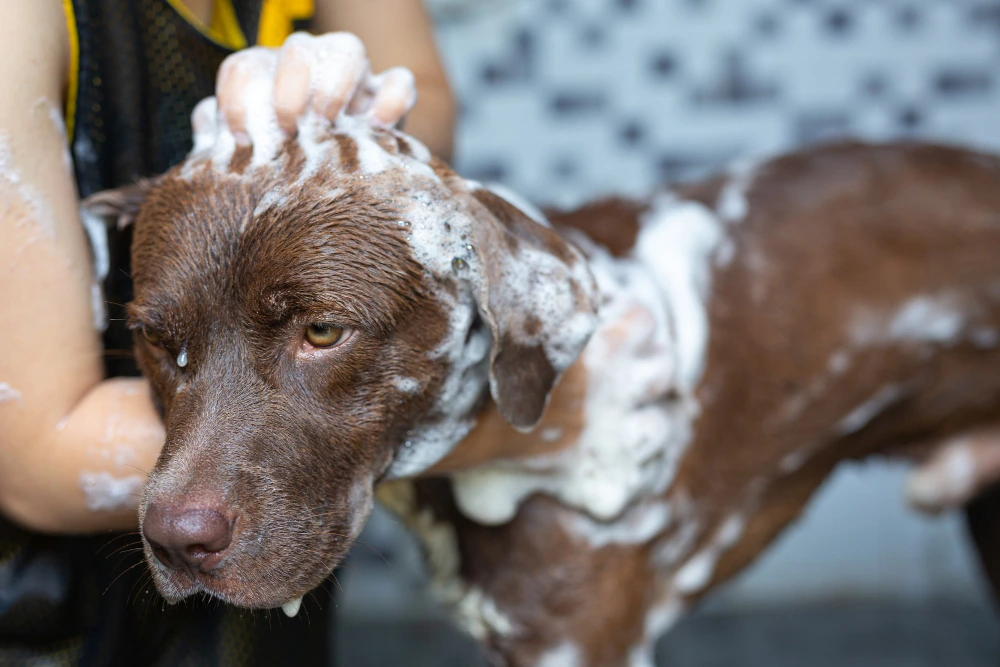
Dog Shampoos: Best Choices for a Healthy, Shiny Coat
Introduction: Why Choosing the Right Dog Shampoo Matters
If you’re a dog owner in the United States, you already know that bath time can be both a bonding experience and a bit of a challenge. But beyond the splashing and the shaking, one thing that truly matters is what you’re washing your dog with. Choosing the right dog shampoo is not just about making your pup smell fresh — it’s about protecting their skin, maintaining their coat health, and keeping them comfortable all year long.
With hundreds of dog shampoo options available at pet stores, Amazon, Walmart, and specialty grooming shops across the US, it can feel overwhelming to pick the right one. That’s exactly why we created this complete, easy-to-follow guide. Whether you have a playful Golden Retriever, a tiny Chihuahua, or a senior Labrador, this guide will walk you through everything you need to know about dog shampoo — from ingredients to grooming tips.
What Makes Dog Shampoo Different from Human Shampoo?
One of the most common questions dog owners ask is: “Can I just use my own shampoo on my dog?” The short answer is no, and here’s why.
Human skin has a pH level of around 5.5, which is slightly acidic. Dogs, on the other hand, have a skin pH closer to 6.5–7.5, making it more neutral. Human shampoos are formulated for our acidic skin and can seriously disrupt your dog’s natural skin barrier, leading to dryness, irritation, and even bacterial infections.
Key Differences at a Glance
Using a pH-balanced dog shampoo specifically formulated for dogs is critical to maintaining their skin health. Dog shampoos are designed to be gentle on their coat, free from harsh detergents, and safe if small amounts are accidentally ingested during grooming. Always choose a shampoo that is specifically labeled for dogs, and avoid any product containing xylitol, artificial fragrances, or parabens.

Types of Dog Shampoo — Finding the Right Fit for Your Pup
Not all dog shampoos are created equal. In fact, the market is full of specialized formulas, so understanding what each type does will help you make a smarter choice for your furry friend.
1. Regular / All-Purpose Dog Shampoo
This is your go-to option for a healthy dog with no specific skin concerns. In general, a good all-purpose dog shampoo cleans the coat, removes dirt and debris, and leaves your dog smelling fresh. Additionally, look for one with natural ingredients like aloe vera, oatmeal, or coconut oil for added moisture.
2. Puppy Shampoo
Puppies have sensitive, delicate skin that requires an extra-gentle formula. Puppy shampoo is tear-free, mild, and free from harsh chemicals. If you have a young dog under one year of age, always opt for a specially formulated puppy shampoo. Brands like Burt’s Bees for Puppies and Vet’s Best are popular choices among US pet owners.
3. Hypoallergenic Dog Shampoo
Does your dog scratch a lot after baths? They might be reacting to certain ingredients. Hypoallergenic dog shampoo is free from common allergens like artificial fragrances, dyes, and sulfates. It’s ideal for dogs with sensitive skin or known allergies. Veterinarians across the US frequently recommend hypoallergenic options for breeds like Bulldogs, Shih Tzus, and West Highland Terriers.
4. Medicated Dog Shampoo
Medicated dog shampoo is designed to treat specific skin conditions such as bacterial infections, fungal issues, hot spots, or seborrhea. These shampoos often contain active ingredients like chlorhexidine, ketoconazole, or coal tar. It’s important to consult your veterinarian before using a medicated shampoo, as using the wrong formula can make skin conditions worse.
5. Oatmeal Dog Shampoo
Oatmeal dog shampoo is one of the most popular options for dogs with dry or itchy skin. Colloidal oatmeal has natural anti-inflammatory properties that soothe irritated skin and help retain moisture. This type of shampoo is widely available at pet stores like PetSmart and Petco across the United States and is a favorite among dog owners who prefer natural remedies.
6. Flea and Tick Shampoo
Dog flea and tick shampoo is a must-have for pet owners, especially during warmer months in states like Florida, Texas, and California where flea and tick infestations are more common. These shampoos kill fleas and ticks on contact but are generally not a long-term prevention solution. Pair them with a monthly flea and tick preventative for best results.
7. Waterless / Dry Dog Shampoo
Not every dog loves water. For these cases, waterless or dry dog shampoo is perfect for quick cleanups between baths, for dogs that are anxious around water, or for senior dogs who have difficulty with full baths. Simply apply, massage in, and then wipe or brush out for a fresher coat without the hassle.
8. Whitening Dog Shampoo
For white or light-coated breeds like Bichon Frises, Samoyeds, or White German Shepherds, a dog whitening shampoo can help brighten the coat and remove stains caused by saliva, tear stains, or dirt. Additionally, these shampoos use optical brighteners, which enhance the natural white and light tones in your dog’s fur.
Key Ingredients to Look for in a Quality Dog Shampoo
When shopping for dog shampoo — whether online or at your local US pet store — always check the ingredient label. Here are the best ingredients to look for:
Natural and Beneficial Ingredients
Colloidal oatmeal is excellent for soothing dry, itchy, or inflamed skin. Aloe vera provides hydration and has natural healing properties that calm irritated skin. Coconut oil moisturizes the coat and adds natural shine. Tea tree oil has antimicrobial and antifungal properties, though it should only be used in very small concentrations safe for dogs. Chamomile is a gentle, calming ingredient that helps soothe sensitive skin and adds a light natural scent.
Ingredients to Avoid
Stay away from dog shampoos that contain artificial fragrances, which can cause allergic reactions and skin irritation. Avoid parabens, which are preservatives that have been linked to hormonal disruption. Sulfates like sodium lauryl sulfate can strip the coat of natural oils, leading to dryness. Alcohol can dry out the skin rapidly. And always check that the product does not contain xylitol, an artificial sweetener that is toxic to dogs.
How to Choose the Best Dog Shampoo for Your Dog’s Coat Type
Every dog is unique, and their coat type plays a major role in what kind of shampoo they need.
Short-Haired Dogs
Breeds like Boxers, Beagles, and Dachshunds have short, low-maintenance coats. Therefore, a general-purpose dog shampoo with moisturizing ingredients works well. When choosing a shampoo, focus on cleansing and deodorizing, and look for one that leaves a healthy shine on their coat.
Long-Haired Dogs
Breeds like Afghan Hounds, Collies, and Yorkshire Terriers need a shampoo that helps with detangling and preventing mats. A dog shampoo and conditioner combo or a 2-in-1 formula is a great choice. These products clean the coat while adding softness and making brushing much easier after the bath.
Double-Coated Dogs
Breeds like Huskies, German Shepherds, and Golden Retrievers have a dense undercoat that requires a deep-cleansing shampoo. Look for a dog shedding shampoo that helps loosen the undercoat during bath time, reducing shedding around your home. This is especially helpful for dog owners in seasonal climates across the US.
Curly or Wavy Coats
Dogs with curly coats, like Poodles and Labradoodles, benefit from moisturizing shampoos that enhance their natural curl pattern without causing frizz. A shampoo with argan oil or shea butter works beautifully for these coat types.
How Often Should You Bathe Your Dog?
One of the most frequently searched questions by dog owners in the US is: ‘How often should I bathe my dog?’ The honest answer, however, is that it depends on your dog.
Most healthy dogs benefit from a bath once every 4 to 6 weeks. However, very active dogs that love rolling in the mud, swimming, or playing outdoors may need more frequent baths. Dogs with certain skin conditions may require medicated baths weekly as directed by their vet.
Signs Your Dog Needs a Bath
Your dog probably needs a bath when they have a noticeable odor that doesn’t go away with brushing, visible dirt or debris on their coat, excessive scratching or skin irritation, greasy or oily feeling fur, or after exposure to something potentially harmful like chemicals, allergens, or parasites.
Over-bathing can actually be harmful — it strips your dog’s coat of its natural oils and can lead to dry, flaky skin. Always use a dog deodorizing shampoo or dog odor control shampoo if your pup tends to get smelly between baths, and supplement with dry dog shampoo for quick freshening up.
Step-by-Step Guide to Bathing Your Dog at Home
Bathing your dog doesn’t have to be a struggle. Follow these simple steps for a stress-free bath time experience.
Step 1 — Brush Before You Bathe
Always brush your dog’s coat before wetting it. This removes loose fur, detangles knots, and makes the shampoo more effective. For double-coated breeds especially, this step is crucial.
Step 2 — Use Lukewarm Water
Dogs are sensitive to temperature. Use lukewarm water — not too hot, not too cold. Test it on your wrist, the same way you would for a baby’s bath.
Step 3 — Apply Dog Shampoo Correctly
Dilute the shampoo slightly with water before applying if your dog has a thick coat. Start at the neck and work your way down to the tail, lathering gently into the fur and skin. Be careful around the eyes, ears, and mouth.
Step 4 — Rinse Thoroughly
Leftover shampoo residue is one of the leading causes of skin irritation in dogs. Rinse thoroughly until the water runs completely clear and there are no suds remaining.
Step 5 — Dry Your Dog Properly
Towel dry your dog first, then use a pet-safe blow dryer on a low heat setting if needed. Make sure your dog is fully dry, especially in the skin folds and between the toes, to prevent bacterial or fungal growth.
Best Dog Shampoos Recommended by US Vets and Groomers
While there are many great options on the market, here are some of the most trusted vet-recommended dog shampoo types that professional groomers and pet owners across the US rely on:
Natural and organic dog shampoos made with certified organic ingredients and free from synthetic chemicals are growing in popularity. They’re ideal for dogs with sensitive skin and eco-conscious pet owners. Professional dog grooming shampoo products, typically used by groomers at salons, are concentrated and highly effective. They can often be diluted for home use. Oatmeal-based shampoos remain one of the top recommendations for dogs with dry skin, allergies, or irritation. And medicated shampoos containing chlorhexidine are frequently prescribed by US veterinarians for treating bacterial skin infections.

Dog Shampoo Safety Tips Every US Pet Owner Should Know
Keeping your dog safe during and after bath time is just as important as picking the right shampoo. Always read the label and follow directions carefully. Never use a shampoo not labeled for dogs. Store dog shampoo out of reach of children. If your dog has a skin condition, always consult your vet before trying a new shampoo. Do a patch test on a small area of your dog’s skin when trying a new product for the first time. Never get shampoo in your dog’s eyes or ears, and flush with clean water immediately if it happens.
FAQs:
Which type of shampoo is best for dogs?
Shampoos that use amino-acid surfactants are recommended for all dogs.
Can you use human shampoo on your dog?
No, veterinary dermatologists agree that human shampoo isn’t good for dogs.
What is a natural shampoo for dogs?
Plant-based cleansers and soothing ingredients like oatmeal or aloe vera.
Conclusion: Give Your Dog the Bath They Deserve
Your dog depends on you for everything — including their grooming and skin health. Choosing the right dog shampoo is one of the simplest yet most impactful things you can do to keep them healthy, comfortable, and happy. Whether you’re looking for the best shampoo for sensitive skin, a trusted puppy shampoo, or an effective flea and tick shampoo, the key is understanding your dog’s unique needs and reading labels carefully.
With so many great options available across the United States — from natural and organic formulas to vet-recommended medicated shampoos — there truly is a perfect dog shampoo out there for every pup. Take your time, do your research, and when in doubt, don’t hesitate to ask your veterinarian for a personalized recommendation.