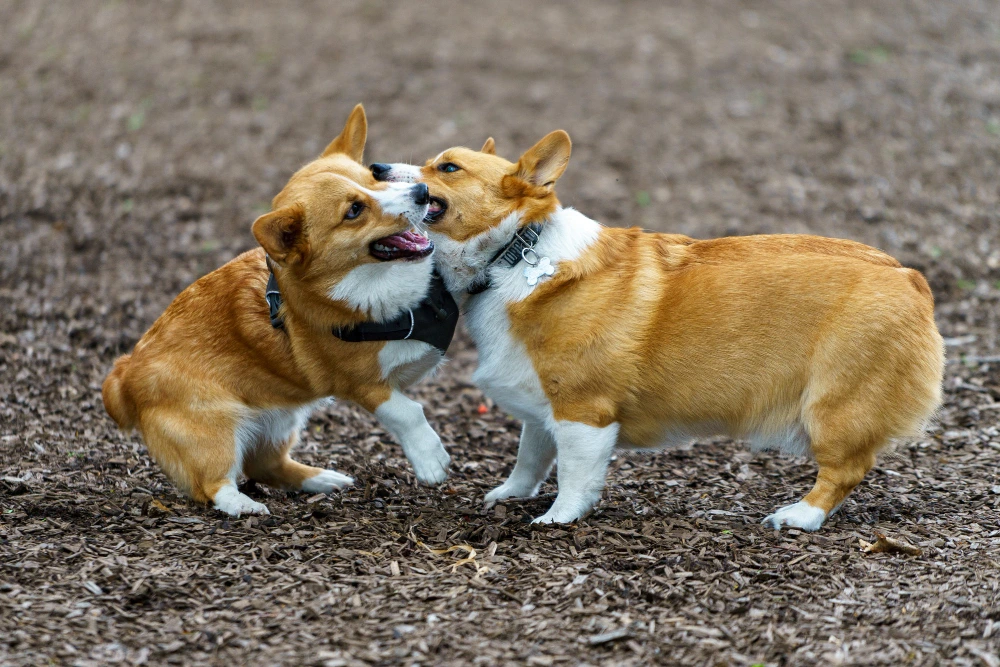
How to Manage Dog Sibling Rivalry: Tips for a Harmonious Home
Dog sibling rivalry is a growing concern for dog owners across the United States, especially as more families adopt multiple dogs or raise puppies together. While dogs are social animals, living under the same roof does not automatically mean harmony. Many pet parents are shocked when dogs that once played happily begin growling, snapping, or even fighting.
Dog sibling rivalry is not a sign of failure—it is a behavioral challenge that can be understood, managed, and often improved with the right knowledge and approach. This comprehensive guide explains every aspect of dog sibling rivalry, including causes, signs, prevention strategies, training techniques, and long-term solutions to help dogs live together peacefully.
What Is Dog Sibling Rivalry?
Dog sibling rivalry refers to persistent tension, competition, or aggression between dogs living in the same household. Despite the term “sibling,” the dogs do not need to be related. Rivalry can occur between:
- Dogs from the same litter
- Dogs adopted at different times
- Puppies and senior dogs
- Dogs of the same or different breeds
Rivalry usually develops when dogs compete for limited resources, attention, or perceived status within the household.
Dog Sibling Rivalry vs Normal Dog Disagreements
It is important to distinguish between normal canine communication and problematic rivalry.
Normal Dog Interactions
Dogs naturally communicate through:
- Play growling
- Brief disputes over toys
- Short corrections
These interactions usually resolve quickly without escalation.
Problematic Dog Sibling Rivalry
Rivalry becomes concerning when:
- Conflicts happen repeatedly
- Aggression escalates
- One dog lives in fear
- Injuries occur
Chronic tension requires intervention.

Is Dog Sibling Rivalry Normal in Multi-Dog Homes?
Yes, dog sibling rivalry is relatively common, especially in multi-dog households. Dogs are descendants of pack animals and instinctively form social structures. When humans fail to provide clarity and structure, dogs may attempt to resolve conflicts themselves—often through aggression.
While mild rivalry is normal, severe or escalating aggression is not and should never be ignored.
Common Causes of Dog Sibling Rivalry
Resource Guarding Between Dogs: How It Fuels Dog Sibling Rivalry
Resource guarding is one of the most frequent causes of dog rivalry.
Commonly Guarded Resources
- Food bowls
- Treats and chews
- Toys
- Beds and crates
- Human attention
Dogs may feel threatened when another dog approaches something they value.
Jealousy Between Dogs
Jealousy plays a major role in sibling rivalry. Dogs can become possessive over their humans and react aggressively when attention is shared.
Signs of Jealousy in Dogs
- Interrupting affection
- Barking or whining when another dog is praised
- Physically blocking another dog
Jealousy often increases after the introduction of a new dog.
Littermate Syndrome and Its Role in Rivalry
Littermate syndrome occurs when puppies raised together fail to develop independence.
Behavioral Effects of Littermate Syndrome
- Excessive dependence
- Poor social skills
- Heightened anxiety
- Aggression toward each other
This condition frequently leads to dog rivalry as puppies mature.
Lack of Structure and Leadership
Dogs rely on clear expectations. Without structure, dogs may feel insecure and attempt to control their environment.
Common issues include:
- Inconsistent routines
- Unclear rules
- Mixed training signals
Lack of structure often increases conflict.
Hormonal Changes and Sexual Maturity
Hormonal changes can significantly affect behavior.
Dog rivalry may intensify:
- During adolescence
- When dogs reach maturity
- After spaying or neutering
- As dogs age
Hormonal shifts can reduce tolerance and increase irritability.
Pain, Illness, and Behavioral Changes
Pain can cause even gentle dogs to become aggressive.
Health-related triggers include:
- Arthritis
- Dental disease
- Ear infections
- Vision or hearing loss
Sudden rivalry should always prompt a veterinary visit.
Early Warning Signs of Dog Sibling Rivalry
Subtle Behavioral Indicators
Early signs are often overlooked.
Watch for:
- Stiff body posture
- Avoidance behavior
- Prolonged staring
- Growling under breath
Early recognition prevents escalation.
Escalating Aggression Between Dogs
As rivalry intensifies, dogs may:
- Snarl or snap
- Guard doorways
- Lunge at each other
Physical aggression requires immediate management.
Emotional and Stress-Related Symptoms
Dogs experiencing rivalry often show stress through:
- Excessive barking
- Loss of appetite
- Hiding
- Anxiety
Chronic stress worsens behavior.
Why Do Dogs Suddenly Start Fighting Each Other?
Many dog owners are confused when dogs that once coexisted peacefully begin fighting.
Common Triggers for Sudden Dog Sibling Rivalry
- Illness or injury
- Household changes
- New pets or people
- Reduced exercise or stimulation
Dogs rely heavily on routine, and disruption can trigger aggression.
Puppy Sibling Rivalry Explained
Puppy sibling rivalry often begins as play but can escalate as puppies mature.
Why Puppies Compete
- Developing social hierarchy
- Competing for attention
- Lack of impulse control
Early intervention is critical.
Preventing Puppy Sibling Rivalry
Essential Prevention Strategies
- Train puppies separately
- Feed puppies in different locations
- Encourage individual play
- Avoid constant joint activities
Independence reduces long-term rivalry.
Dog Sibling Rivalry in Adult Dogs
Adult dogs may develop rivalry due to changes in health, environment, or social structure.
Common Adult-Dog Triggers
- Aging-related pain
- Decreased tolerance
- Changes in routine
Consistency and patience are key.

Introducing a New Dog to an Existing Dog
Improper introductions are one of the leading causes of rivalry.
Best Practices for Introductions
Step-by-Step Introduction Process
- Use neutral territory
- Keep interactions short
- Supervise closely
- End on positive notes
Rushing introductions increases resentment.
Managing Multi-Dog Households Successfully
Importance of Human Leadership
Dogs feel safer when humans provide guidance. Leadership does not mean dominance—it means consistency.
Establishing Daily Routines
Routine creates security.
Key routines include:
- Feeding times
- Walk schedules
- Training sessions
Predictability reduces competition.
Providing Individual Attention
Each dog needs daily one-on-one time.
Benefits include:
- Reduced jealousy
- Increased confidence
- Stronger human-dog bonds
Feeding Strategies to Prevent Dog Sibling Rivalry
Separate Feeding Areas
Feeding dogs separately prevents food-related aggression.
Consistent Feeding Order
Maintaining the same order daily reduces anxiety and confusion.
Managing Toys and Playtime
Avoiding High-Value Conflicts
Limit access to toys that trigger competition.
Supervised Play Sessions
Always supervise dogs with a history of rivalry.
Training Techniques to Reduce Dog Sibling Rivalry
Positive Reinforcement Training
Reward calm behavior instead of punishing aggression.
Punishment often increases fear and rivalry.
Training Dogs Individually
Individual training builds confidence and focus.
Key commands include:
- Sit
- Stay
- Leave it
- Place
Teaching Impulse Control
Impulse control exercises reduce reactivity and tension.
Common Mistakes That Worsen Dog Sibling Rivalry
Showing Favoritism
Dogs notice unequal treatment, which fuels jealousy.
Ignoring Early Warning Signs
Growling is communication, not disobedience.
Forcing Dogs to “Work It Out”
Dogs rarely resolve rivalry without human guidance.
When to Seek Professional Help
Signs Professional Help Is Needed
- Repeated fights
- Injuries
- Fear-based aggression
Certified trainers and behaviorists can prevent serious harm.
Can Dog Sibling Rivalry Be Completely Fixed?
Some dogs improve dramatically with training and structure. Others require lifelong management.
Success depends on:
- Consistency
- Early intervention
- Individual dog temperament
Preventing Dog Sibling Rivalry Before It Starts
Choosing Compatible Dogs
Temperament compatibility matters more than breed.
Early Socialization
Well-socialized dogs communicate better.
Encouraging Independence
Dogs should be comfortable being alone.
Long-Term Strategies for Peaceful Multi-Dog Living
Creating harmony requires:
- Clear boundaries
- Structured routines
- Emotional awareness
Dogs thrive when they feel safe and understood.
Living With Multiple Dogs Without Conflict
A peaceful multi-dog home is achievable. Dog Sibling Rivalry is not a life sentence—it is a challenge that can be managed with patience, education, and consistency.
FAQs:
How to stop sibling rivalry between dogs?
Implement strict management with separate resources (food, toys, space), provide individual exercise and training, and ensure consistent leadership by rewarding calm behavior and redirecting conflict early using positive reinforcement.
How do you fix sibling syndrome in dogs?
Take the dogs to parks, pet stores, or any public place on their own.
Is it normal for two dogs who live together to fight?
Yes, occasional squabbles, growling, or play-fighting are normal for dogs living together.
Final Thoughts on Dog Sibling Rivalry
Dog sibling rivalry is one of the most misunderstood canine behavior issues. By understanding its causes, recognizing early signs, and implementing structured solutions, dog owners can dramatically improve household harmony.
With compassion, consistency, and informed leadership, most dogs can learn to coexist peacefully—and even form strong, lasting bonds.