Dog Training Games to Boost Your Pup’s Skills
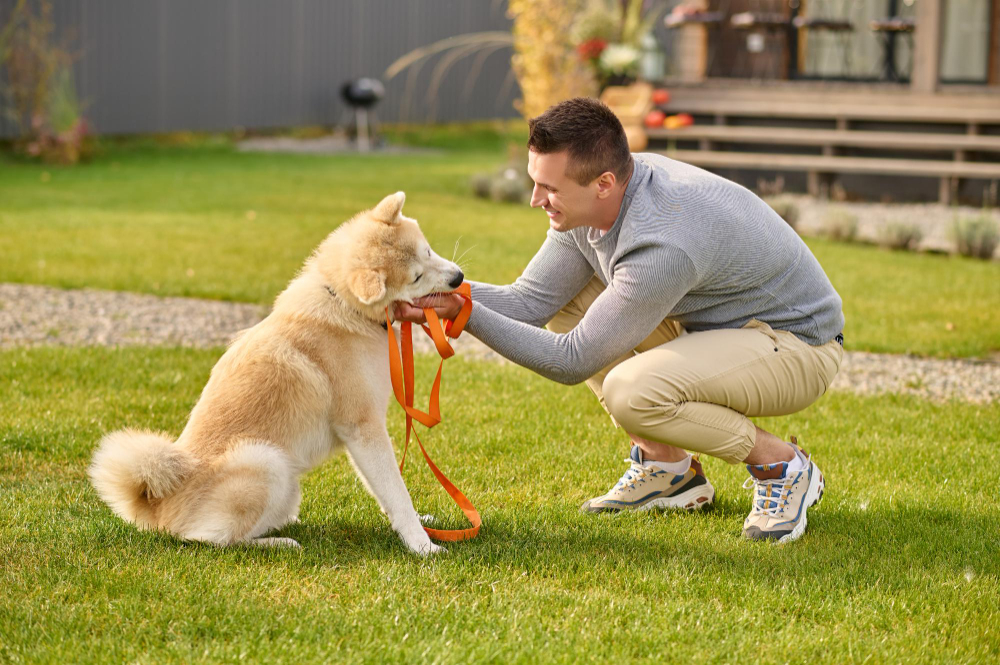
Dog training games turn learning into an enjoyable experience for you and your furry companion. These interactive activities combine positive reinforcement with mental stimulation to create well-behaved, confident dogs. Game-based training offers effective solutions for playful puppies and adult dogs needing behavioral improvement, strengthening your bond while teaching essential skills.
The beauty of training through play lies in its natural approach. Dogs learn faster when they enjoy the process, making reward-based training games more effective than traditional drilling methods. These activities address common challenges like destructive behavior, hyperactivity, and poor recall, providing cognitive enrichment that keeps your dog mentally sharp and physically satisfied.
Why Dog Training Games Work Better Than Traditional Methods
Traditional obedience training often relies on repetition and correction. Game-based learning creates positive associations that make dogs eager participants rather than reluctant students. Viewing training as playtime eliminates resistance and accelerates learning.
Brain games for dogs activate problem-solving skills and natural instincts. This cognitive engagement releases mental energy, reducing boredom-related behaviors like excessive barking, chewing, or digging.
Positive reinforcement games build confidence in anxious or fearful dogs. Success-based activities create trust and strengthen the human-canine relationship. Your dog learns that following commands leads to rewards, creating a willing partnership rather than forced compliance.

Indoor Dog Training Games Activities for Year-Round Learning
Weather should never interrupt your training schedule. Indoor dog games provide ideal opportunities for learning, regardless of outdoor conditions.
Hide and Seek for Recall Training
Hide and seek combines fun with recall training games. Start by having your dog sit and stay in one room. Hide somewhere in your home and call your dog. Finding you earns enthusiastic praise and a high-value treat.
Gradually increase difficulty by hiding in more challenging locations or having family members take turns hiding. This variation teaches your dog to respond to different voices, building problem-solving abilities.
Find the Treat Puzzle Games
Nose work training taps into your dog’s natural scenting abilities. Place treats around a room while the dog waits in another area. Release them with a search command and let their nose do the work.
Start with obvious locations like under cushions or behind furniture. As your dog masters the basics, hide treats inside boxes, under rugs, or in puzzle feeders.
The Name Game: One of the Most Effective Dog Training Games for Focus Training
Focus training games help dogs learn to ignore distractions and pay attention on command. Place several toys or objects around the room and teach your dog the name of each one. Ask them to bring you specific items by name. This activity builds vocabulary recognition and reinforces the fetch command.
The name game creates bonding activities with dogs through cooperative play. Your dog learns that listening carefully leads to success and rewards.
Outdoor Dog Training Games for Active Learning
Outdoor training provides space for energy-burning activities and introduces real-world distractions. These games prepare dogs for everyday situations they will encounter in public spaces, parks, and neighborhoods.
Fetch with Obedience Commands: Fun and Effective Dog Training Games
Traditional fetch becomes a powerful training tool by adding obedience elements. Ask your dog to sit or down before throwing the ball. This teaches impulse control, requiring excitement to be managed before receiving a reward.
After your dog retrieves the item, practice the drop it command before the next throw. This sequence creates a complete training loop covering multiple skills in one playful activity.
Red Light Green Light for Stay Training
This childhood game translates perfectly into stay command games for dogs. Call your dog to come while walking backward. Saying stop or red light makes your dog freeze immediately. This game teaches precise control and listening skills.
The unpredictability keeps dogs alert and engaged. They learn that commands can change quickly, preparing them for real situations where you might need sudden stops. These behavioral training games address common leash-pulling problems, teaching dogs to check in frequently rather than charge ahead.
DIY Agility Training Drills
Create simple agility training drills using household items or affordable equipment. Set up weave poles using sticks, create jumps with broomsticks, or use hula hoops for targets. ]
Agility work provides physical exercise and builds confidence. Shy dogs learn to trust their bodies and try new challenges. These coordination exercises improve body awareness and strengthen the communication between you and your dog as you guide them through obstacles.
Puppy Training Exercises for Early Development
Young puppies have short attention spans and require gentle introduction to training concepts. Puppy brain games should last 5-10 minutes to prevent frustration and maintain enthusiasm.
Gentle Tug of War Training
Tug games teach puppies important bite inhibition and self-control. Use a rope toy and engage in gentle pulling. Periodically ask your puppy to drop the toy in exchange for a treat.
Always let your puppy win sometimes to build confidence. These playful obedience training sessions teach rules and boundaries through positive interaction. Puppies learn that humans control resources, and sharing creates mutual fun.
Socialization Games for Confidence Building
Confidence building exercises for puppies should include exposure to various textures, sounds, and gentle obstacles. Create a sensory path using different materials like bubble wrap, cardboard, and towels.
Introduce novel objects regularly and allow investigation at your puppy’s pace. Pair new experiences with treats and praise to create positive associations with unfamiliar situations.
Advanced Dog Training Games for Experienced Learners
Once your dog masters basic commands, advanced training games provide ongoing mental challenges. These activities prevent boredom in intelligent breeds and maintain engagement in senior dogs who need continued cognitive enrichment.
Shell Game for Problem Solving: One of the Best Dog Training Games
The shell game develops tracking and problem-solving skills. Place a treat under one of three cups and shuffle them while the dog watches. Let them indicate which cup hides the treat. This challenging dog puzzle requires focused attention and memory.
Start slowly with minimal shuffling and gradually increase complexity. This cognitive enrichment game keeps intelligent dogs mentally sharp and provides an excellent rainy-day activity that tires dogs without physical exertion.
Sequence Training for Complex Commands
Teach your dog to perform multiple commands in sequence. Start with simple combinations like sit-down-stand, then progress to longer chains. This trick training game challenges memory and focus, demonstrating your dog’s learning capacity.
Sequence work prepares dogs for complex real-world tasks. Service dogs use similar methods to learn multi-step assistance routines.
Using Games to Address Problem Behaviors
Many behavioral issues stem from insufficient mental stimulation or unclear communication.
Games for Destructive Behavior Solutions
Dogs who chew furniture or destroy belongings often lack adequate mental outlets. Implement daily scent work games and puzzle feeders to channel destructive energy productively. These boredom busters for dogs provide appropriate challenges that satisfy natural urges to investigate and manipulate objects.
Interactive dog toys that dispense treats occupy dogs for extended periods. Rotate different puzzles to maintain novelty and prevent your dog from losing interest.
Calm Training Exercises for Hyperactive Dogs: Relaxing Dog Training Games
Hyperactive dog games include structured activities that require focus, not just physical exhaustion. Teach settle or place commands through progressive relaxation. Start with short durations and gradually extend the time your dog remains calm on their mat or bed.
Balance high-energy play with impulse control games. These calm training exercises help overexcited dogs manage arousal levels and respond thoughtfully, not reactively.
Separation Anxiety Games for Independence
Build independence gradually through games that reward solo activity. Fill a Kong or puzzle toy with frozen treats and give it to your dog when leaving the room. This creates positive associations with departure and keeps the dog occupied during absence.
Practice short separations throughout the day. Hide treats around a room, leave briefly while the dog searches, then return calmly.
No Equipment Training Games for Anywhere Learning
Effective training requires creativity, not expensive gear. Many powerful learning experiences need nothing beyond your voice, hands, and treats already in your pocket.
Touch Targeting Hand Games
Teach your dog to touch their nose to your palm on command. This simple foundation builds into countless other behaviors and tricks.
Use touch targeting to guide your dog through positions without physical manipulation. These force-free training games respect your dog’s autonomy and achieve precise control.
Eye Contact Game for Attention
Strong eye contact forms the foundation of reliable communication. Wait for your dog to look at your face, then immediately reward.
Practice the watch me command in progressively more challenging locations. Start in quiet rooms, move to the backyard, and then to public parks. These training through play methods build attention that transfers to real-world situations where focus matters most.
Senior Dog Activities for Cognitive Health
Older dogs benefit enormously from continued mental engagement. Age-appropriate games maintain cognitive function and provide purpose. These activities adapt traditional training for physical limitations and challenge the mind.
Gentle scent work requires minimal physical effort and provides maximum mental stimulation. Place treats at ground level or in easy-to-reach locations. The searching and problem-solving keeps senior brains active without stressing aging joints.
Training Tools That Enhance Game-Based Learning
Many games require no equipment, but certain tools amplify training effectiveness and variety. Smart investments create more engaging experiences and address specific training goals.
Training treat dispensers and puzzle feeders slow eating and provide mental challenges. Automatic dispensers reward your dog for quiet behavior when you are in another room.
Dog training apps provide structured programs and tracking capabilities. Many include video demonstrations and progress monitoring. These digital tools help inexperienced trainers implement game-based learning methods correctly from the start.
Creating an Effective Dog Training Games Schedule
Brief daily games outperform occasional marathon training periods. Structure your schedule around your dog’s natural rhythms and energy levels.
Morning sessions work well for energetic dogs needing mental engagement before leaving for work. These beginner training games can be as short as five minutes.
Rotate different game types throughout the week. Monday might focus on scent work, Tuesday on obedience sequences, Wednesday on trick training. This variety prevents boredom and develops well-rounded skills. Track progress to identify strengths and areas needing more practice.
Common Dog Training Games Mistakes to Avoid
Understanding pitfalls helps you avoid frustration and maintain progress. Many training challenges stem from human error, not canine stubbornness.
Sessions that run too long cause mental fatigue and disengagement. This leaves them eager for the next training opportunity, not dreading it.
Punishment during play-based training destroys the positive associations you are building. Frustration on your part signals that training has continued too long and you both need a break.
Building Lifelong Skills Through Playful Learning
Dog training games transform obligation into opportunity. These activities create dogs who are eager to learn, confident in their abilities, and deeply bonded with their families. The skills developed through play transfer to every aspect of life together.
Remember that every dog learns at their own pace. Celebrate small victories and maintain patience through plateaus. The journey of training strengthens your relationship far beyond the specific skills acquired. Your investment in game-based learning pays dividends in a well-adjusted, happy companion who views you as a trusted partner in all adventures.
The most successful training programs balance structure with flexibility, challenge with achievable goals, and consistency with creativity. Your dedication to positive, playful methods creates lasting behavioral change built on trust, respect, and genuine enjoyment of learning together.