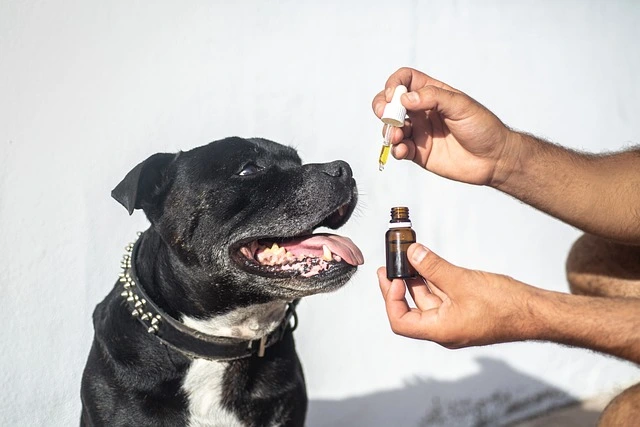
Top Essential Oils for Dogs: Safe Uses and Benefits
Dog owners looking for natural ways to support their pup’s health and happiness may have come across Essential Oils For Dogs. People have used these concentrated plant-based extracts in human wellness for centuries. Many American pet owners now wonder whether they are safe and beneficial for their furry companions.
The short answer? Some essential oils can be helpful for dogs — but only when used correctly and safely. This guide covers everything you need to know about essential oils for dogs, including which oils are safe, which are toxic, how to use them properly, and what the experts say.
What Are Essential Oils and Why Are Pet Owners Using Them?
Manufacturers derive essential oils as highly concentrated extracts from plants, flowers, herbs, and trees. They capture the plant’s natural scent and beneficial compounds through a process like steam distillation or cold pressing.
In the USA, the natural pet care market is booming. Dog owners are increasingly turning to holistic remedies, including essential oils, to help with issues like anxiety, skin irritation, flea prevention, and odor control. While essential oils are not a replacement for veterinary care, when used responsibly they can be a helpful addition to your dog’s wellness routine.
Are Essential Oils Safe for Dogs? What Every Owner Must Know
This is the most important question — and the answer isn’t a simple yes or no. Experts estimate that dogs have a sense of smell that is 10,000 to 100,000 times more powerful than the human sense of smell. This means they are far more sensitive to strong scents and chemical compounds found in essential oils.
Some oils are completely safe when properly diluted and used correctly. Others are highly toxic and can cause serious harm or even death if ingested, applied to the skin undiluted, or diffused in a closed space.
The golden rule: Always consult your veterinarian before using any essential oil on or around your dog.

Essential Oils That Are Generally Safe for Dogs
Many holistic veterinarians and pet care experts consider the following essential oils safer options for dogs when owners dilute them properly and use them with care.
Lavender Essential Oil for Dogs
Lavender is one of the most popular and well-researched essential oils for dogs. Many pet owners and holistic practitioners recognize it for its calming and soothing properties, which makes it a great option for dogs that experience anxiety, separation stress, or fear of loud noises like thunderstorms and fireworks.
Lavender oil helps soothe minor skin irritations and itching when properly diluted with a carrier oil like coconut oil. Many dog owners in the USA use lavender-infused sprays on dog bedding to help their pups relax at night.
Cedarwood Oil for Dogs
Cedarwood essential oil is a favorite among natural pet care enthusiasts for its ability to act as a natural flea and tick repellent. It has a warm, woody scent that dogs tend to tolerate well. Cedarwood oil supports healthy skin and a shiny coat when diluted and applied correctly.
Chamomile Essential Oil for Dogs
Roman chamomile is known for its gentle, anti-inflammatory properties. It can be helpful for calming anxious dogs and soothing irritated or itchy skin. Chamomile is one of the gentler oils. It is a solid choice for sensitive dogs or puppies when used with extreme care and proper dilution.
Frankincense Essential Oil for Dogs
Frankincense has gained attention in the holistic pet care community for its potential anti-inflammatory and immune-supporting properties. Some dog owners use it to support older dogs dealing with joint discomfort. Researchers have conducted limited studies specifically in dogs. Many holistic practitioners consider frankincense one of the safer oils when used in very small, diluted amounts.
Coconut Oil for Dogs
While technically not a traditional essential oil, coconut oil deserves a special mention. One of the safest, most versatile natural oils you can use with your dog. You can apply it topically to soothe dry or cracked paws, itchy skin, and minor wounds. Add it to food in small amounts to support digestive health and maintain a healthy coat.
Toxic Essential Oils You Must Never Use Around Dogs
This section is critical. Experts identify the following essential oils as toxic or dangerous for dogs. Owners should never apply them to their skin, use them in a diffuser in a room where dogs spend time, or leave them where dogs might ingest them.
Tea Tree Oil (Melaleuca)
Tea tree oil is one of the most toxic essential oils for dogs. Small amounts can cause serious neurological symptoms, including tremors, loss of coordination, weakness, and coma in severe cases. Many commercial pet products that contained tea tree oil have been reformulated due to safety concerns. Always read labels carefully.
Peppermint Oil for Dogs
Peppermint oil is a controversial one. In very small, heavily diluted amounts some practitioners use it, but in general it is considered unsafe for dogs. It can cause skin irritation, breathing difficulties, and gastrointestinal upset. Dogs with asthma or respiratory conditions are especially at risk.
Eucalyptus Oil
Eucalyptus is another common household oil that is dangerous for dogs. It contains compounds that dogs cannot metabolize safely, and exposure can lead to drooling, vomiting, seizures, and difficulty breathing.
Other Oils to Avoid
Several essential oils are toxic or harmful to dogs, including cinnamon oil, clove oil, pennyroyal, pine oil, ylang ylang, and wintergreen. Check with your vet before using any new oil around your pet.
Essential Oils For Dogs Poisoning Symptoms: Know the Warning Signs
Even if you’re using oils that are generally considered safe, it’s important to know the signs that your dog may be reacting badly. Essential oil poisoning symptoms in dogs include:
Drooling excessively, vomiting or diarrhea, difficulty breathing or wheezing, tremors or muscle weakness, loss of coordination or stumbling, red or irritated skin, pawing at the face or eyes, lethargy or sudden collapse, and changes in behavior like sudden agitation or extreme drowsiness.
Notice any of these symptoms after using an essential oil around your dog. Remove your dog from the area immediately, get fresh air, and contact your veterinarian or call the ASPCA Animal Poison Control Center at (888) 426-4435.

How to Safely Apply Essential Oils to Dogs
Knowing how to apply essential oils to dogs correctly is just as important as knowing which oils to use. Here are the safest methods.
Always Dilute Essential Oils Before Use
Dogs should never be exposed to undiluted essential oils. The general recommendation is a very low dilution ratio — typically 0.5% to 1% for dogs, which means just 1 drop of essential oil per teaspoon of carrier oil. Carrier oils like fractionated coconut oil, sweet almond oil, or jojoba oil help dilute the potency and make application safer.
Using an Essential Oil Diffuser Around Dogs
If you use an essential oil diffuser at home, always make sure your dog has the ability to leave the room freely. Never diffuse oils in a small, closed space with your dog. Use water-based diffusers and run them for short periods. Start with very low concentrations and observe your dog’s reaction closely. Never diffuse toxic oils like tea tree or eucalyptus in any space your dog inhabits.
Essential Oil Spray for Dogs
A diluted essential oil spray can be a convenient way to apply calming or flea-repelling oils. You can make a simple spray by combining a few drops of a dog-safe oil with water and a small amount of carrier oil in a spray bottle. Always avoid spraying near the dog’s face, eyes, nose, and genitals.
Essential Oils in Dog Shampoo
Some dog shampoos are formulated with dog-safe essential oils like lavender or chamomile. These can be a safe and convenient way to incorporate the benefits of essential oils into your dog’s grooming routine. Look for products specifically formulated for dogs. Avoid human shampoos, even if they contain natural ingredients.
Essential Oil Dog Collar
Cedar-infused dog collars are a popular natural flea and tick repellent option. These collars use the natural insect-repelling properties of cedarwood oil and are generally considered safe. Monitor your dog for any skin irritation around the collar area.
Essential Oils for Specific Dogs Health Concerns
Essential Oils for Dog Anxiety
Anxiety is one of the most common reasons dog owners in the USA turn to essential oils. Lavender and chamomile are the top choices for calming anxious dogs. Apply a diluted lavender blend to your dog’s collar or bedding. Use a diffuser in a well-ventilated space during stressful events such as fireworks or vet visits.
Essential Oils for Dog Fleas
Cedarwood oil is the go-to natural flea repellent in the essential oil world. Some pet owners use a properly diluted blend of cedarwood and lavender as a preventive spray. Natural flea repellents can help. They may not be as effective as veterinarian-recommended flea treatments, especially in areas with heavy flea populations.
Essential Oils for Dog Skin Conditions and Itching
Lavender, chamomile, and coconut oil are commonly used to soothe dry, itchy, or irritated dog skin. Dilute properly and do a small patch test on a small area of skin before full application. If your dog’s skin condition is severe or persistent, visit a vet.
Essential Oils for Dog Odor
Lavender and cedarwood are popular choices for naturally freshening up a dog’s coat between baths. A very diluted spray or a few drops worked into the coat (avoiding the face) can help your pup smell fresh without harsh chemicals.
Essential Oils for Dog Joint Pain
Senior dog owners sometimes explore frankincense and coconut oil for supporting dogs with joint discomfort. Research is still emerging. Some holistic vets incorporate these oils into broader wellness plans for aging dogs. Consult your vet before using any oil for a medical concern.
Essential Oils for Puppies and Senior Dogs
Pet owners must exercise extra caution when using essential oils on puppies and elderly dogs. Puppies have immature liver function, so their bodies cannot process the compounds in essential oils the way adult dogs can. Most experts recommend avoiding essential oils entirely for puppies under 10 weeks of age, and using extremely low dilutions with older puppies only after consulting a vet.
Senior dogs may have underlying health conditions, compromised organ function, or be on medications that could interact with essential oils. Always check with your veterinarian before introducing any new supplement or topical treatment to an older dog’s routine.
What Do Vets Say About Essential Oils for Dogs?
Veterinary opinions on essential oils for dogs vary. Some integrative and holistic vets use essential oils in their practice and observe positive results when people apply them correctly and safely. The ASPCA and many conventional veterinarians warn pet owners to exercise caution, especially with oils commonly known to be toxic.
If you use essential oils with your dog, use vet-approved oils or consult a vet beforehand, choose high-quality oils from reputable brands, dilute properly, avoid internal use unless directed by a veterinarian, and monitor your dog closely for adverse reactions.
Natural Alternatives and Complementary Approaches
Essential oils work best as part of a broader holistic approach to dog care rather than as standalone treatments. For anxiety, you might combine lavender aromatherapy with behavioral training, calming supplements recommended by your vet, or anxiety wraps. For skin health, proper nutrition, regular grooming, and omega-3 supplements can complement the benefits of coconut oil or chamomile.
Aromatherapy for dogs is a growing field, and when practiced responsibly it can be a wonderful way to support your dog’s wellbeing naturally.
Quick Reference: Safe vs. Toxic Essential Oils for Dogs
Generally Safe (when properly diluted and used with vet guidance): Lavender, Cedarwood, Roman Chamomile, Frankincense, Coconut Oil (carrier)
Toxic or Unsafe for Dogs: Tea Tree (Melaleuca), Peppermint, Eucalyptus, Cinnamon, Clove, Pennyroyal, Pine, Ylang Ylang, Wintergreen
Final Thoughts: Using Essential Oils for Dogs Responsibly
Essential oils enhance your dog’s natural wellness routine when used safely, responsibly, and with proper knowledge. Dog owners must consult a vet before use, dilute oils properly, avoid toxic oils, and allow dogs to move away from scents.
Your dog trusts you completely. By taking the time to learn about essential oils for dogs the right way, you’re already being the caring, informed pet parent they deserve.