Gabapentin for Dogs: Benefits, Dosage, and Safety Tips
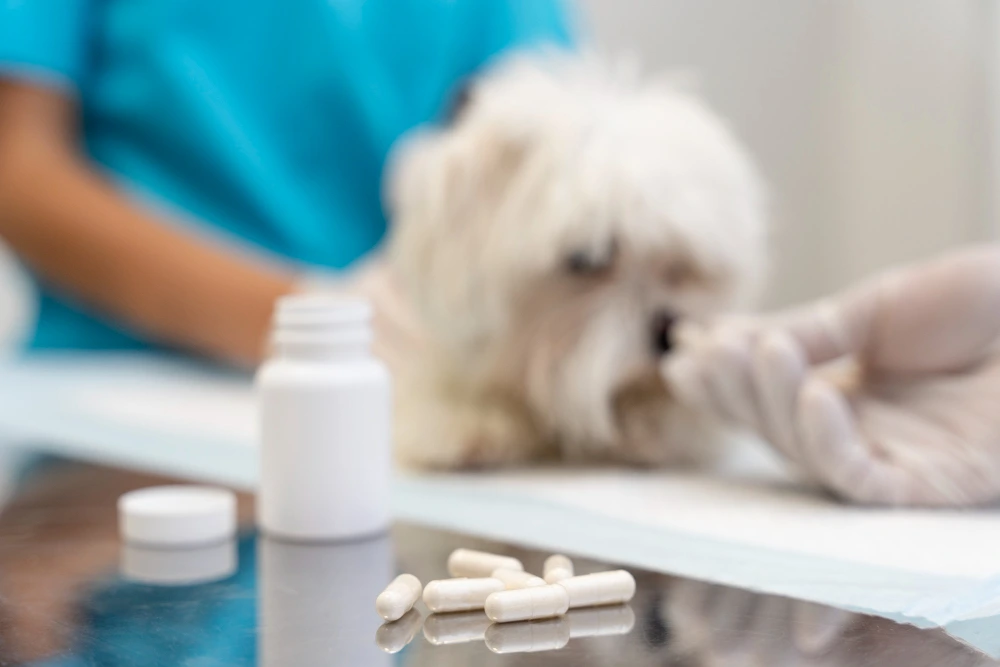
Gabapentin For Dogs has become one of the most prescribed medications in veterinary medicine across the United States. This anti-seizure medication originally developed for humans now serves as a valuable tool for managing pain, anxiety, and neurological conditions in dogs. Pet owners searching for safe and effective treatment options often encounter gabapentin as a recommendation from their veterinarians.
What Is Gabapentin Used For in Dogs
Veterinarians prescribe gabapentin for dogs to address multiple health concerns. The medication works by affecting the nervous system and altering how the brain processes pain signals.
Pain Management
Gabapentin for dogs provides effective pain relief for chronic conditions. Dogs suffering from arthritis find significant comfort through this medication. The drug targets nerve pain that traditional pain relievers may not adequately address. Senior dogs with degenerative joint disease often receive gabapentin as part of their long-term pain management protocol.
Gabapentin for dogs nerve pain stands out as one of its primary applications. Conditions like intervertebral disc disease, cancer-related pain, and post-surgical discomfort respond well to this medication. The drug modulates pain signals traveling through the nervous system instead of masking symptoms.
Anxiety and Behavioral Issues
Gabapentin for dogs treats anxiety. Veterinarians frequently prescribe it for dogs experiencing situational stress. Thunderstorm phobia, fireworks anxiety, and car ride nervousness can all benefit from gabapentin administration. The medication helps calm the nervous system without causing heavy sedation in most cases.
Gabapentin before surgery dog helps reduce pre-operative stress. Many veterinary clinics send dogs home with a dose to give before their appointment. This pre-medication approach makes the entire surgical experience less traumatic for anxious pets.
Seizure Control
Gabapentin for dog seizures serves as an anticonvulsant option. It is not typically a first-line treatment for epilepsy. It works well as an add-on medication for dogs whose seizures remain poorly controlled on other drugs. Veterinarians use it when traditional seizure medications cause unacceptable side effects.

Gabapentin Dosage for Dogs
Proper dosing ensures safety and effectiveness. Gabapentin dosage for dogs varies based on the condition being treated and individual patient factors.
How Much Gabapentin for Dog
The typical range falls between 5 to 30 mg per pound of body weight. Pain management usually requires doses on the lower end of this spectrum. Seizure control often demands higher doses. Veterinarians calculate the exact amount needed for each individual dog.
Gabapentin Dose by Weight for Dog
A 50-pound dog might receive anywhere from 100mg to 300mg per dose depending on the medical condition. Smaller breeds require proportionally less medication. Large breed dogs may need doses exceeding 600mg. Your veterinarian will provide specific instructions based on your dog’s weight and health status.
Gabapentin Dosing Chart for Dog
Most veterinarians prescribe gabapentin two to three times daily. The medication reaches peak levels in the bloodstream within one to two hours. Consistent timing helps maintain steady blood levels for optimal relief.
Gabapentin 100mg for dogs suits small breeds or dogs needing lower doses. Gabapentin 300mg for dogs works well for medium-sized dogs or those requiring moderate pain control. Larger dogs or those with severe pain may receive multiple capsules per dose.
Gabapentin Liquid for Dog
Liquid formulations offer easier administration for dogs who resist taking pills. The suspension allows precise dosing for very small dogs. Some compounding pharmacies can flavor the liquid to improve palatability.
How to Give Gabapentin to Dogs
Administration methods affect absorption and effectiveness. Food interactions play a role in how well dogs tolerate the medication.
Most veterinarians recommend giving gabapentin with a small amount of food. This approach reduces the likelihood of stomach upset. The medication absorbs well with or without food. Some dogs experience less nausea when the dose is given with a meal.
Capsules can be opened and mixed with a spoonful of wet food when necessary. Peanut butter, cream cheese, or pill pockets work well for disguising the medication. Dogs usually accept these methods without resistance.
How Long Does Gabapentin Last in Dogs
Understanding the medication’s duration helps pet owners plan dosing schedules. Gabapentin reaches therapeutic levels quickly and leaves the system relatively fast.
How Fast Does Gabapentin Work in Dogs
Pain relief typically begins within one to two hours of administration. The medication reaches peak concentration in the bloodstream about 90 minutes after dosing. Dogs show noticeable improvement in mobility or behavior within this timeframe.
Duration of Effect
Individual doses provide relief for approximately six to eight hours. This relatively short duration explains why veterinarians prescribe multiple daily doses. Consistent administration maintains stable blood levels and continuous symptom control.
Timing for giving gabapentin to dog depends on the treatment goals. Dogs with chronic arthritis pain benefit from regularly scheduled doses throughout the day. Dogs needing anxiety relief for specific events receive the medication one to two hours before the stressful situation.
Gabapentin Side Effects in Dogs
Like all medications, gabapentin can cause unwanted effects. Most dogs tolerate it well. Awareness of potential issues helps owners monitor their pets appropriately.
Common Side Effects
Sedation represents the most frequent side effect. Dogs may appear sleepy or uncoordinated, especially when first starting the medication. This effect often diminishes as the body adjusts to the drug. Some dogs develop mild wobbliness or ataxia, especially at higher doses.
Increased appetite occurs in some dogs. Weight gain can occur if food intake increases significantly. Monitoring body condition helps prevent obesity-related complications.
Mild gastrointestinal upset can develop. Some dogs experience temporary diarrhea or decreased appetite at first. These symptoms usually resolve within a few days of starting treatment.
Serious Concerns
Gabapentin toxicity in dogs is rare when dosing follows veterinary guidelines. Overdose symptoms include severe sedation, difficulty walking, and respiratory depression. Any concerning symptoms warrant immediate veterinary attention.
Gabapentin overdose in dogs requires emergency treatment. Excessive doses can cause dangerous central nervous system depression. Pet owners should store medication securely and never adjust doses without veterinary approval.
Long-term use of gabapentin in dogs is generally safe under veterinary supervision. Regular monitoring helps identify any developing issues. Kidney function tests may be recommended periodically because the drug is processed through the kidneys.
Gabapentin Withdrawal in Dogs
Stopping gabapentin abruptly can cause problems in dogs taking it for seizure control. Sudden discontinuation may trigger breakthrough seizures. Veterinarians recommend gradual tapering when discontinuing the medication. Dogs using gabapentin only for pain or anxiety usually tolerate abrupt cessation better, though gradual reduction is preferable.
Gabapentin for Dogs Safe Practices
Safety considerations ensure positive treatment outcomes.
Can Dogs Take Human Gabapentin
Human gabapentin formulations can be used in dogs under veterinary guidance. The same active ingredient exists in both human and veterinary products. Dosing differs significantly between species, making veterinary oversight essential.
Some human formulations contain xylitol, an artificial sweetener highly toxic to dogs. Pet owners must check ingredient lists carefully before giving any human medication to their pets. Veterinary-specific products avoid this dangerous additive.
Special Populations
Gabapentin for senior dogs requires careful consideration. Older dogs often have reduced kidney function affecting drug clearance. Lower doses or extended dosing intervals may be necessary. Regular monitoring helps ensure safety in geriatric patients.
Dogs with pre-existing kidney disease need dose adjustments. The medication processes primarily through the kidneys. Reduced kidney function causes drug accumulation if doses remain standard. Blood work helps veterinarians determine appropriate modifications.
Pregnant or nursing dogs should avoid gabapentin unless absolutely necessary. Limited safety data exists for these populations. Veterinarians weigh potential benefits against unknown risks.
Gabapentin Alternatives for Dogs
Other treatment options exist for pain, anxiety, and seizures. Comparing medications helps owners understand their choices.
Gabapentin vs Tramadol for Dogs
Tramadol provides pain relief through different mechanisms. It works more like traditional opioid pain medications. Gabapentin targets nerve pain. Many veterinarians combine these medications for comprehensive pain management. The two drugs complement each other without significant interaction concerns.
Gabapentin and Trazodone for Dogs
Trazodone addresses anxiety through serotonin modulation. Gabapentin affects different neurotransmitter systems. Veterinarians sometimes prescribe both medications together for dogs with severe anxiety. The combination provides broader coverage than a single drug. Close monitoring ensures safe concurrent use.
Natural Alternatives to Gabapentin for Dogs
Several natural options may help dogs with mild pain or anxiety. CBD oil has gained popularity for pain and stress management. Glucosamine and chondroitin support joint health in arthritic dogs. Calming supplements containing L-theanine or melatonin may reduce anxiety.
Physical therapy, acupuncture, and laser therapy offer non-pharmaceutical pain relief. Weight management reduces stress on painful joints. Environmental modifications can decrease anxiety triggers.
FAQs:
Is gabapentin a very strong painkiller?
Not a strong conventional painkiller like opioids.
Is gabapentin better at night or morning for dogs?
The vet will recommend only giving it at bedtime.
What are common side effects of gabapentin in dogs?
Sleepiness, tiredness, and difficulty with walking and balance.
Conclusion:
Gabapentin for dogs provides effective relief for pain, anxiety, and seizures when used correctly. This versatile medication has earned its place in veterinary medicine through demonstrated safety and efficacy. Understanding proper dosing, potential side effects, and administration techniques helps pet owners use gabapentin successfully.
Working closely with your veterinarian ensures the best outcomes. Each dog’s needs differ, requiring individualized treatment plans. Regular communication about your dog’s response to medication allows for timely adjustments. Gabapentin represents one of many tools available for improving your dog’s quality of life.