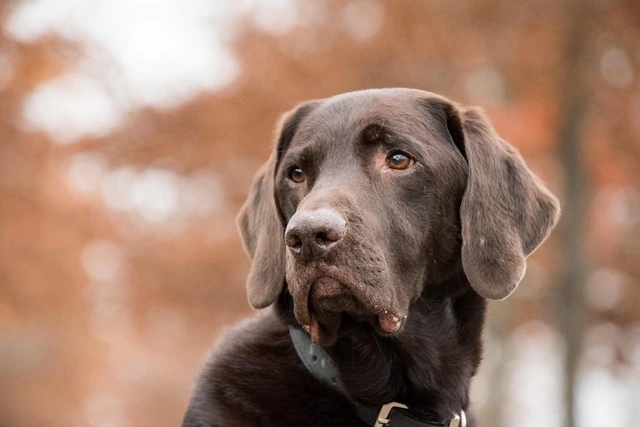
Essential Tips for Caring for Your Senior Dog’s Health
As dogs grow older, their needs change just like humans. What once worked for an energetic puppy or adult dog may no longer be suitable for an aging companion. Senior dog care focuses on supporting your dog’s physical health, mental well-being, and overall quality of life during their golden years. With proper attention, nutrition, exercise, and love, senior dogs can continue to live fulfilling and comfortable lives.
In the United States, millions of dog owners are caring for aging pets. Understanding how to care for a senior dog can help prevent common health problems, reduce discomfort, and strengthen the bond you share with your pet.
This comprehensive guide will walk you through everything you need to know about caring for senior dogs, including health care, nutrition, exercise, grooming, mental stimulation, home adjustments, and compassionate end-of-life care.

When Is a Dog Considered a Senior?
One of the most common questions dog owners ask is, “When is my dog officially a senior?” The answer depends largely on your dog’s size and breed.
Age Classification by Size
- Small breeds (under 20 lbs): 10–12 years
- Medium breeds (20–50 lbs): 8–10 years
- Large breeds (50–90 lbs): 7–8 years
- Giant breeds (90+ lbs): 6–7 years
Some dogs show signs of aging earlier, while others remain active well into their senior years. Observing changes in behavior, energy levels, and mobility is just as important as counting birthdays.
Understanding the Aging Process in Dogs
Aging is a natural process, but it brings physical and mental changes that can affect your dog’s daily life.
Common Physical Changes in Senior Dog Care
- Reduced energy and stamina
- Stiff joints or difficulty getting up
- Weight gain or weight loss
- Changes in vision or hearing
- Thinning coat or skin sensitivity
Behavioral and Mental Changes
- Increased sleeping
- Confusion or disorientation
- Anxiety or clinginess
- Reduced interest in play
- Changes in house-training habits
Senior Dog Health Care and Veterinary Visits
Routine veterinary care is the foundation of effective senior dog care. Older dogs are more susceptible to chronic conditions, making regular checkups essential.
How Often Should Senior Dogs See a Vet?
Most veterinarians in the USA recommend:
- At least two vet visits per year for senior dogs
- More frequent visits if your dog has ongoing health issues
These visits allow early detection of diseases such as arthritis, diabetes, kidney disease, heart problems, and cancer.
Common Health Problems in Senior Dogs
Senior dogs are prone to certain age-related conditions, including:
- Arthritis and joint degeneration
- Heart disease
- Kidney and liver disease
- Diabetes
- Dental disease
- Vision and hearing loss
- Cognitive dysfunction syndrome (dog dementia)
Early diagnosis can significantly improve outcomes and quality of life.
Nutrition and Diet for Senior Dog Care
Proper nutrition plays a critical role in maintaining your dog’s health as they age. Senior dogs often require fewer calories but higher-quality nutrients.
Choosing the Best Food for Senior Dogs
Senior dog food is formulated to support aging bodies. Look for:
- High-quality protein to maintain muscle mass
- Reduced calories to prevent weight gain
- Added fiber for digestive health
- Omega-3 fatty acids for joint and brain health
Always consult your veterinarian before switching foods.
Senior Dog Weight Management
Maintaining a healthy weight reduces stress on joints and lowers the risk of chronic disease. Obesity is one of the most common problems in elderly dog care in the United States.
Tips for weight management include:
- Measuring portions accurately
- Limiting treats
- Encouraging gentle daily exercise
Supplements for Senior Dog Care
Many senior dogs benefit from supplements such as:
- Glucosamine and chondroitin for joint health
- Fish oil for skin, coat, and inflammation
- Probiotics for digestive support
Supplements should always be veterinarian-approved.
Exercise and Mobility Support for Senior Dog Care
While senior dogs may slow down, regular movement remains essential for their health.
Benefits of Exercise for Senior Dogs
- Maintains muscle tone
- Supports joint flexibility
- Improves mental health
- Helps control weight
Best Exercises for Aging Dogs
Low-impact activities are ideal:
- Short daily walks
- Gentle play sessions
- Swimming or water therapy
- Light stretching
Always adjust intensity based on your dog’s comfort level.
Managing Arthritis and Mobility Issues
Arthritis is one of the most common senior dog health problems. Signs include limping, stiffness, and reluctance to move.
Helpful mobility aids include:
- Orthopedic dog beds
- Ramps for stairs or cars
- Non-slip flooring
- Physical therapy or massage

Grooming and Hygiene for Senior Dogs
Grooming becomes increasingly important as dogs age, especially since older dogs may struggle to clean themselves properly.
Tips for Senior Dogs
- Brush regularly to prevent matting
- Bathe with gentle, moisturizing shampoos
- Trim nails carefully to avoid discomfort
- Check ears and eyes frequently
Dental Care for Senior Dogs
Dental disease can cause pain and lead to serious infections. Senior dog dental care should include:
- Regular tooth brushing
- Dental chews approved by your vet
- Professional cleanings when necessary
Mental Stimulation and Cognitive Health
Just like humans, dogs can experience cognitive decline as they age. Mental enrichment is a vital part of senior dog wellness.
Signs of Cognitive Dysfunction in Dogs
- Confusion or disorientation
- Changes in sleep patterns
- Forgetting familiar commands
- Increased anxiety
Keeping Senior Dogs Mentally Active
Mental stimulation can slow cognitive decline:
- Puzzle toys
- Short training sessions
- Scent games
- Consistent daily routines
Providing reassurance and patience is essential during this stage.
Creating a Senior-Friendly Home Environment
Adjusting your home can make daily life easier and safer for an aging dog.
Home Modifications for Senior Dogs
- Install ramps or steps
- Use non-slip rugs
- Raise food and water bowls
- Provide warm, supportive bedding
These small changes can significantly improve your dog’s comfort and independence.
Emotional Support and Quality of Life
Senior dogs often become more emotionally sensitive. They may seek reassurance and companionship more than before.
Supporting Emotional Well-Being
- Spend quality time together
- Maintain predictable routines
- Avoid sudden environmental changes
- Use calm, positive reinforcement
Measuring Senior Dog Quality of Life
Ask yourself:
- Is my dog comfortable most days?
- Can they enjoy food and interaction?
- Are pain and anxiety well managed?
Veterinarians often use quality-of-life scales to help guide decisions.
End-of-Life and Hospice Senior Dog Care
One of the most difficult aspects of elderly dog care is facing end-of-life decisions. While emotional, planning ahead ensures your dog’s comfort and dignity.
Palliative and Hospice Care
Hospice care focuses on:
- Pain management
- Comfort and emotional support
- Maintaining dignity
This approach allows many dogs to spend their final days peacefully at home.
Knowing When It’s Time
Deciding when to say goodbye is deeply personal. Signs that may indicate declining quality of life include:
- Chronic pain unresponsive to treatment
- Loss of appetite for extended periods
- Inability to move or stand
- Withdrawal from interaction
Consulting a trusted veterinarian can provide clarity and guidance.

Final Thoughts: Senior Dog Care
Caring for a senior dog is both a responsibility and a privilege. While aging brings challenges, it also deepens the bond between you and your pet. By focusing on senior dog health care, proper nutrition, gentle exercise, mental stimulation, and emotional support, you can ensure your dog’s golden years are filled with comfort, dignity, and love.
Every senior dog deserves patience, understanding, and compassion. With the right care, aging dogs can continue to bring joy and companionship to your life—just as they always have.