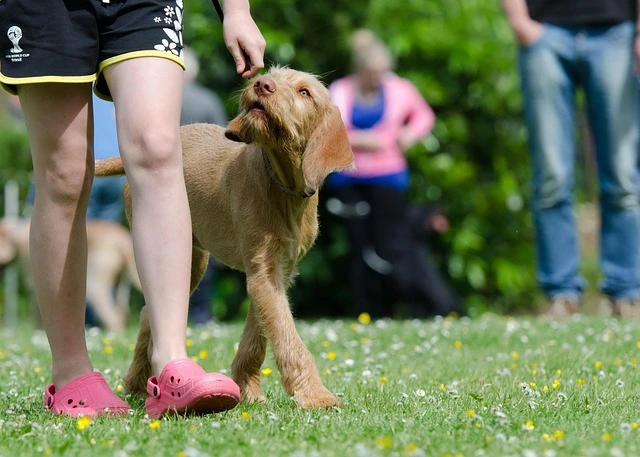
Dog Training Techniques: The Ultimate In-Depth Guide for Dog Owners in the USA
Dog training is one of the most important responsibilities of being a pet owner. A well-trained dog is not only easier to manage but also healthier, happier, and more confident. Using the right dog training techniques helps dogs understand what is expected of them and allows owners to communicate clearly without fear or frustration.
In the United States, dog owners face many common challenges such as excessive barking, leash pulling, chewing, jumping, anxiety, and aggression. These issues are rarely caused by “bad dogs.” Instead, they are usually the result of unclear communication, lack of consistency, or improper training methods. By learning and applying modern, humane, and science-based dog training methods, any dog can learn positive behavior at any stage of life.
This complete guide covers basic, advanced, and behavior-specific dog training techniques, explains how dogs learn, and provides practical tips for training dogs at home.
What Are Dog Training Techniques?
Dog training techniques are structured ways of teaching dogs how to behave appropriately in different environments. These techniques focus on encouraging desired behaviors while discouraging unwanted ones through guidance rather than force.
Dog training includes:
- Teaching obedience commands
- Developing good manners
- Managing behavior problems
- Improving communication between dog and owner
Modern dog training focuses on understanding canine psychology and emotional needs rather than controlling dogs through fear.

The Purpose of Dog Training
Dog training serves several important purposes beyond obedience.
Training for Safety
Training helps keep dogs safe in real-world situations such as:
- Crossing streets
- Meeting unfamiliar people or animals
- Responding to emergency recalls
- Avoiding dangerous objects
A trained dog is far less likely to be injured or cause harm.
Training for Mental Health
Dogs need mental stimulation just as much as physical exercise. Training:
- Prevents boredom
- Reduces anxiety
- Builds confidence
- Encourages problem-solving
Mental engagement leads to calmer, more balanced dogs.
Training for a Better Human-Dog Bond
Training strengthens the emotional connection between dogs and their owners. When dogs understand expectations, they feel more secure and connected.
How Dog Training Has Changed Over Time
Old-Style Dog Training Methods
In the past, dog training relied on dominance theories and physical punishment. These methods often caused:
- Fear
- Aggression
- Stress
- Broken trust
Modern science has proven these techniques ineffective and harmful.
Modern Dog Training Techniques
Today’s professional dog training techniques are based on behavioral science and positive reinforcement. These methods focus on:
- Motivation instead of fear
- Clear communication
- Emotional well-being
- Long-term success
Most veterinarians and trainers in the USA strongly recommend humane training approaches.
Understanding How Dogs Learn
Learning Through Association
Dogs associate actions with outcomes. If a behavior results in a reward, dogs are more likely to repeat it.
Learning Through Repetition
Repetition strengthens understanding. Dogs need consistent practice to fully learn commands.
Learning Through Consequences
Dogs respond best to positive consequences. Negative consequences often cause confusion rather than learning.
The Role of Timing in Training
Timing is critical. Rewards must come immediately after the desired behavior so the dog understands what they did right.
Positive Reinforcement Dog Training Techniques
What Is Positive Reinforcement?
Positive reinforcement means rewarding a dog immediately after they perform a desired behavior. Rewards can include:
- Treats
- Praise
- Toys
- Playtime
This method encourages dogs to willingly repeat good behavior.
Why Positive Reinforcement Is Effective
Positive reinforcement:
- Speeds up learning
- Builds trust
- Reduces fear
- Encourages cooperation
Dogs trained this way are more confident and emotionally stable.
Choosing the Right Rewards
Different dogs are motivated by different rewards. Some prefer food, while others respond better to praise or toys. Understanding what motivates your dog improves training success.
Basic Dog Training Techniques Every Dog Needs
Teaching the Sit Command
“Sit” is often the first command dogs learn because it is simple and effective.
Benefits of teaching sit:
- Improves impulse control
- Helps manage excitement
- Serves as a foundation for other commands
Practice daily in short sessions.
Teaching the Stay Command
The “stay” command teaches patience and self-control.
Training tips:
- Start with one second
- Increase duration gradually
- Reward calm behavior
This command is especially useful for safety situations.
Teaching the Come Command
Reliable recall is one of the most important dog training techniques.
A strong recall:
- Prevents accidents
- Allows safe off-leash time
- Improves trust
Always reward your dog generously when they come to you.
Teaching the Down Command
The “down” command helps calm dogs and encourages relaxation.
This command is especially useful for excitable or anxious dogs.
Puppy Training Techniques: Setting the Right Foundation
Why Early Puppy Training Matters
Puppyhood is the most important learning stage. Early training:
- Prevents bad habits
- Builds confidence
- Improves adaptability
Puppies trained early grow into well-adjusted adult dogs.
Puppy House Training Techniques
House training is one of the first challenges puppy owners face.
Successful house training includes:
- Regular potty schedules
- Immediate rewards
- Close supervision
Accidents are part of learning and should never be punished.
Crate Training Techniques for Puppies
Crate training provides puppies with a safe and secure space.
Benefits of crate training:
- Helps with house training
- Prevents destructive behavior
- Encourages independence
The crate should always be a positive environment.
Puppy Socialization Training
Socialization teaches puppies how to interact with the world.
Expose puppies gradually to:
- Different people
- Sounds
- Environments
- Friendly dogs
Proper socialization reduces fear and aggression later in life.
Dog Obedience Training Techniques
What Is Obedience Training?
Dog obedience training techniques teach dogs to respond reliably to commands in real-world situations.
Core Obedience Commands
Core obedience includes:
- Sit
- Stay
- Come
- Heel
- Leave it
These commands create structure and predictability.
Why Obedience Training Is Important
Obedience training:
- Improves safety
- Reduces unwanted behavior
- Increases freedom
Well-trained dogs can enjoy more activities with their owners.
Leash Training Techniques for Dogs
Why Leash Training Is Necessary
Leash pulling is one of the most common dog behavior problems in the USA.
Untrained leash behavior can:
- Cause injuries
- Increase frustration
- Make walks unpleasant
Teaching Loose-Leash Walking
Loose-leash walking teaches dogs to stay near their owner.
Effective techniques include:
- Rewarding calm walking
- Stopping when pulling occurs
- Changing direction to regain focus
Building Positive Walking Habits
Daily practice builds strong habits. Calm, structured walks improve overall behavior.
Clicker Training Techniques for Dogs
Understanding Clicker Training
Clicker training uses a sound to mark the exact moment of correct behavior.
Why Clicker Training Works
Clicker training:
- Improves clarity
- Speeds up learning
- Helps teach complex behaviors
It is especially useful for precision training.
Using Clicker Training at Home
Clicker training works well for:
- Basic commands
- Trick training
- Agility skills
Advanced Dog Training Techniques
The Importance of Advanced Training
Advanced training challenges dogs mentally and physically.
It helps:
- Prevent boredom
- Improve focus
- Build confidence
Types of Advanced Training
Advanced training can include:
- Off-leash obedience
- Agility training
- Scent detection
- Trick routines
Mental Stimulation Through Training
Mental exercise is essential for overall well-being. Dogs that are mentally stimulated are calmer and more content.
Dog Training Techniques for Behavior Problems
Dog Training Techniques for Excessive Barking
Barking is a natural form of communication.
Training focuses on:
- Identifying triggers
- Teaching alternative behaviors
- Rewarding quiet moments
Dog Training Techniques for Chewing
Chewing is common, especially in puppies.
Training involves:
- Providing appropriate chew items
- Redirecting behavior
- Managing the environment
Dog Training Techniques for Jumping on People
Jumping is often attention-seeking behavior.
Effective training includes:
- Ignoring jumping
- Rewarding calm behavior
- Teaching polite greetings
Dog Training Techniques for Aggression
Understanding Aggression in Dogs
Aggression may result from:
- Fear
- Pain
- Territorial behavior
- Lack of socialization
Humane Approaches to Aggression Training
Humane dog training methods focus on:
- Reducing stress
- Managing triggers
- Reinforcing calm behavior
Professional help is recommended for serious cases.
Dog Training Techniques for Separation Anxiety
Recognizing Separation Anxiety
Signs include:
- Excessive barking
- Destructive behavior
- Pacing
- Accidents indoors
Training Techniques That Reduce Anxiety
Helpful techniques include:
- Gradual departures
- Calm routines
- Mental enrichment
Consistency is key.
Training Adult Dogs Successfully
Can Adult Dogs Be Trained?
Yes. Adult dogs are fully capable of learning new behaviors.
Adjusting Training for Adult Dogs
Adult dogs may need:
- More patience
- Stronger motivation
- Clear routines
Training Senior Dogs Gently
Why Senior Dog Training Matters
Training keeps senior dogs:
- Mentally sharp
- Engaged
- Emotionally connected
Best Training Practices for Senior Dogs
- Short sessions
- Gentle rewards
- Comfortable environments
Natural and Humane Dog Training Techniques
What Are Natural Training Methods?
Natural training focuses on:
- Trust
- Communication
- Reward-based learning
Benefits of Humane Training
Humane methods:
- Reduce fear
- Improve emotional health
- Strengthen relationships
Common Dog Training Mistakes to Avoid
Inconsistent Rules
Changing rules confuses dogs.
Using Punishment
Punishment damages trust and slows learning.
Expecting Fast Results
Training takes time. Progress should be gradual.
How Long Does Dog Training Take?
Training time varies depending on:
- Age
- Breed
- Temperament
- Owner consistency
Patience leads to lasting success.
At-Home Dog Training vs Professional Training
Benefits of Training at Home
- Cost-effective
- Builds strong bonds
- Flexible schedule
When Professional Help Is Needed
Professional trainers are helpful for:
- Severe aggression
- Anxiety disorders
- Advanced training goals
Tips for Long-Term Dog Training Success
- Train daily
- Keep sessions positive
- Use consistent commands
- Reward progress
FAQs:
What is the most effective dog training method?
Positive reinforcement training.
What are the 7 basic commands for dog training?
Sit, Stay, Down, Come, Off, Heel, and No, teaching control, recall, boundary setting, and focus for everyday life and emergencies.
What is the new dog training method?
Scent work.
What is the hardest command to teach a dog?
Recall (“Come”).
Final Thoughts on Dog Training Techniques
Using the right dog training techniques allows dog owners to raise confident, calm, and well-behaved companions. Training is not about control—it is about communication, trust, and understanding.
With patience, consistency, and humane methods, any dog can learn good behavior at any age. The effort you invest in training today will reward you with a happy, balanced dog for years to come.