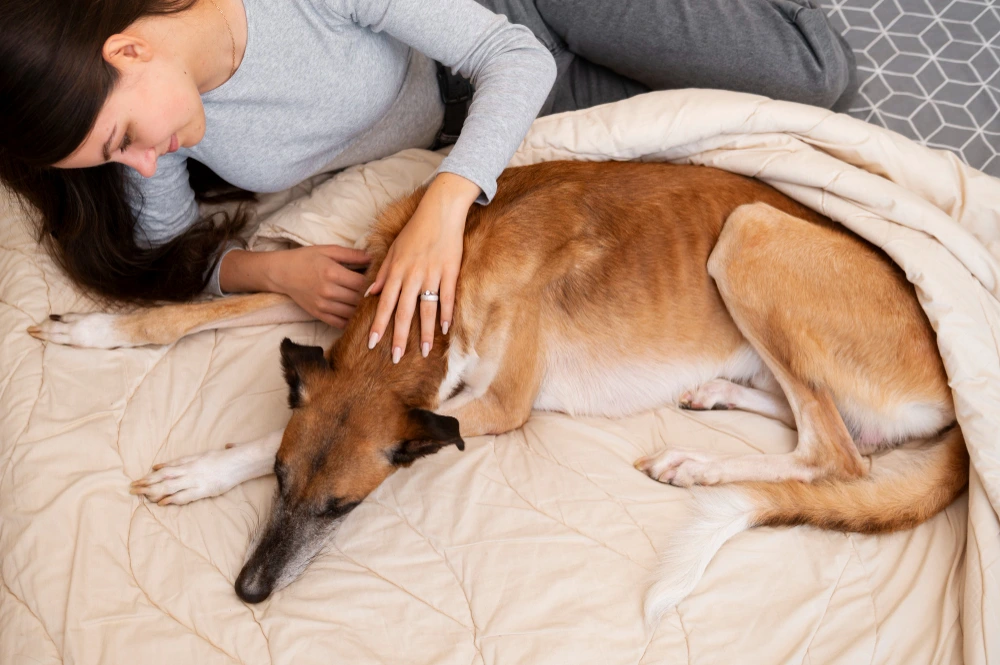
Essential Pregnancy Care Tips for Expecting Dogs
Pregnancy care for dogs is an important responsibility that requires attention, patience, and proper knowledge. When a dog becomes pregnant, her body goes through many physical and hormonal changes that directly affect her health and the health of her puppies. Providing correct pregnancy care for dogs not only supports a safe pregnancy but also increases the chances of healthy delivery and strong newborn puppies.
In the United States, many dog owners are unaware of the specific needs of pregnant dogs. From nutrition and exercise to veterinary care and home preparation, every stage of canine pregnancy requires special attention. This detailed guide will help you understand how to take care of a pregnant dog properly, what to expect during each stage, and how to prepare for labor and post-birth recovery.
Understanding Pregnancy in Dogs
Dog pregnancy, also known as canine pregnancy or gestation, usually lasts around 63 days, although it can range from 58 to 68 days depending on the breed and individual dog. During this time, the dog’s body undergoes significant changes to support the growing puppies.
Pregnancy care for dogs starts with understanding what happens during this period. Knowing the timeline and physical changes allows dog owners to provide appropriate care at the right time.

Early Signs of Pregnancy in Dogs
Physical Signs of Dog Pregnancy
In the early weeks, signs of pregnancy in dogs may be subtle.
Common early signs include:
- Slight weight gain
- Swollen or darkened nipples
- Mild fatigue or decreased activity
- Changes in appetite
- Clear vaginal discharge (in some dogs)
These dog pregnancy symptoms often appear within the first three to four weeks after breeding.
Behavioral Changes in Pregnant Dogs
Behavioral changes are also common during early dog pregnancy. Some dogs become more affectionate, while others prefer quiet spaces and rest. Understanding these changes is an essential part of pregnancy care for dogs, as emotional comfort is just as important as physical health.
Confirming Pregnancy: Veterinary Care for Pregnant Dogs
Importance of Vet Checkups
Veterinary care for pregnant dogs is essential from the beginning. A veterinarian can confirm pregnancy through ultrasound, palpation, or hormone testing. Early confirmation allows for proper prenatal care and health monitoring.
Regular dog pregnancy checkups help:
- Monitor fetal development
- Identify potential complications
- Adjust nutrition and supplements
- Ensure the mother dog stays healthy
In the USA, most veterinarians recommend the first pregnancy checkup around three to four weeks after breeding.
Stages of Dog Pregnancy
Understanding dog pregnancy stages helps owners prepare for changing care needs throughout the gestation period.
Early Stage Pregnancy Care (Weeks 1–3)
At this stage, pregnancy care for dogs focuses on maintaining normal routines with slight adjustments.
Care Tips for Early Pregnancy
- Avoid strenuous exercise
- Continue normal feeding without overfeeding
- Reduce stress and loud environments
Mid-Stage Pregnancy Care (Weeks 4–6)
Puppies start developing rapidly, and nutritional needs increase.
Nutrition for Pregnant Dogs
Dog pregnancy nutrition should focus on high-quality protein, essential fatty acids, vitamins, and minerals.
Key dietary considerations:
- Gradually increase calorie intake
- Switch to high-quality puppy food if recommended by a vet
- Ensure constant access to clean water
Proper feeding a pregnant dog supports fetal growth and keeps the mother strong.
Late-Stage Pregnancy Care (Weeks 7–9)
Late-stage dog pregnancy care requires extra attention. The dog’s abdomen becomes larger, mobility decreases, and energy levels drop.
Physical Care During Late Pregnancy
- Short, gentle walks instead of long exercise
- Comfortable bedding for rest and sleep
- Frequent bathroom breaks
- Close observation for signs of discomfort
This stage is critical in pregnancy care for dogs, as complications are more likely to appear closer to labor.
Exercise for Pregnant Dogs
Exercise plays an important role in maintaining muscle tone and circulation. However, exercise for pregnant dogs should be moderate and controlled.
Safe Exercise Guidelines
- Avoid jumping and rough play
- Short walks are ideal
- Stop exercise if the dog seems tired
- Avoid overheating, especially in warm climates
Balanced exercise supports overall dog pregnancy health care without putting stress on the puppies.
Home Care for Pregnant Dogs
Creating a calm and safe home environment is an essential part of caring for a pregnant dog.
Preparing the Home
- Provide a quiet, warm resting area
- Keep the dog away from aggressive pets
- Minimize stress and visitors
- Maintain a clean living space
Home care for pregnant dogs should focus on comfort, cleanliness, and emotional security.
Supplements and Prenatal Care for Dogs
Many owners ask about prenatal vitamins for dogs. Supplements should only be given if recommended by a veterinarian.
Common Supplements Used in Dog Pregnancy Care
- Prenatal vitamins formulated for dogs
- Omega-3 fatty acids for brain development
- Calcium supplements (only if prescribed)
Over-supplementation can be harmful, so professional guidance is crucial.
Common Health Risks During Dog Pregnancy
While most dog pregnancies progress normally, complications can occur.
Dog Pregnancy Complications
Potential risks include:
- Infections
- Nutritional deficiencies
- Eclampsia (low calcium levels)
- Difficult labor (dystocia)

Warning Signs That Require Immediate Veterinary Attention
Emergency signs in pregnant dogs should never be ignored.
Contact a veterinarian immediately if you notice:
- Severe lethargy
- Continuous vomiting or diarrhea
- Bloody or foul-smelling discharge
- Sudden loss of appetite
- Signs of pain or distress
Preparing for Dog Labor and Delivery
Understanding the Dog Birthing Process
Labor in dogs typically occurs in three stages:
- Preparation and restlessness
- Active contractions and puppy delivery
- Placenta delivery
Knowing the signs of labor in dogs helps owners prepare properly.
Whelping Preparation: What You Need to Know
Whelping preparation is a vital part of pregnancy care for dogs.
Setting Up a Whelping Area
- Quiet, low-traffic location
- Clean, washable bedding
- Comfortable temperature
- Easy access for the mother
Proper dog whelping preparation reduces stress and supports a smooth delivery.
Signs of Labor in Dogs
Signs of dog labor include:
- Nesting behavior
- Loss of appetite
- Panting and restlessness
- Drop in body temperature
- Visible contractions
Care During Dog Delivery
Most dogs give birth naturally without assistance.
When to Call the Vet During Labor
- Excessive bleeding
- Puppy stuck in the birth canal
- Extreme pain or collapse
Post-Pregnancy Care for Dogs
After delivery, postnatal care for dogs becomes the new priority.
Immediate Postpartum Care
- Ensure the mother rests comfortably
- Provide fresh water and nutrient-rich food
- Observe nursing behavior
- Keep the area clean
Care for a dog after giving birth supports recovery and milk production.
Nutrition for Nursing Mother Dogs
Feeding a nursing dog requires increased calories and nutrients.
Feeding Guidelines
- High-quality puppy food is often recommended
- Multiple small meals throughout the day
- Plenty of clean drinking water
Good nutrition supports milk supply and postpartum recovery.
Monitoring Puppies and Mother Health
Regular observation ensures both mother and puppies remain healthy.
Signs of Healthy Puppies
- Steady weight gain
- Frequent nursing
- Quiet sleep between feedings
Any concerns should be discussed with a veterinarian immediately.
Special Considerations for First-Time Dog Pregnancy
First-time dog pregnancy care requires extra patience and observation. First-time mothers may be anxious or unsure during labor.
Providing reassurance, minimizing stress, and staying prepared are key to successful outcomes.
Small Breed vs Large Breed Pregnancy Care
Pregnancy care for dogs varies by breed size.
Small Breed Dogs
- Higher risk of difficult labor
- Smaller litter sizes
- Close veterinary monitoring recommended
Large Breed Dogs
- Larger litter sizes
- Increased nutritional needs
- Higher physical strain
Breed-specific pregnancy care helps prevent complications.

Emotional Support During Dog Pregnancy
Emotional well-being is often overlooked in dog pregnancy care. Pregnant dogs may seek comfort, reassurance, and routine.
Simple actions like gentle petting, calm voice tones, and consistent schedules provide emotional stability.
Common Myths About Dog Pregnancy Care
Many myths can lead to improper care.
Common misconceptions include:
- Pregnant dogs should eat twice as much from day one
- Exercise should be completely stopped
- All supplements are safe
Accurate information and veterinary advice are always the best approach.
FAQs:
How long are dogs pregnant?
Most dogs are pregnant for about 63 days, though this can vary slightly.
Do pregnant dogs need special care?
Yes, pregnant dogs need specific nutrition, exercise adjustments, and regular vet checkups.
What should I avoid during dog pregnancy?
Avoid stress, overfeeding, unsafe medications, and intense physical activity.
Final Thoughts:
With proper knowledge, attentive care, and regular veterinary support, dog owners in the USA can help ensure a safe pregnancy, smooth delivery, and healthy puppies.
By understanding dog pregnancy stages, providing balanced nutrition, preparing for labor, and offering post-pregnancy care, you give your dog the best chance for a positive experience.