Top Hypoallergenic Dogs Breeds for Allergy Sufferers
If you’re one of the millions of Americans dealing with pet allergies and dreaming of having a furry friend, you’re not alone. The American College of Allergy, Asthma, and Immunology reports that about 10% of the U.S. population is allergic to dogs. The good news? Hypoallergenic dogs might be your answer to enjoying canine companionship without the constant sneezing and itching.
What Are Hypoallergenic Dogs?
Hypoallergenic dogs are breeds that produce fewer allergens than other dogs and are more suitable for people with allergies. No dog is completely allergen-free, and these breeds can significantly reduce allergic reactions for many people.
Understanding Dog Allergies and Pet Dander
Dog allergies are caused by specific allergens that should be clearly understood before choosing a breed. Most people assume it’s dog hair that triggers their symptoms, but that’s actually a common misconception. The real culprits are proteins found in a dog’s dander (dead skin cells), saliva, and urine. Dogs shed allergens that become airborne and cause reactions in sensitive individuals.
Hypoallergenic dog breeds typically share these characteristics:
- Low-shedding or non-shedding coats
- Produce less dander than other breeds
- Have hair instead of fur (which holds dander better)
- Require regular grooming to minimize allergen spread

Best Hypoallergenic Dog Breeds in America
Choosing the right hypoallergenic dog breed depends on your lifestyle, living space, and personal preferences. A comprehensive look at the most popular allergy-friendly dogs in the United States.
Small Hypoallergenic Dogs
Maltese
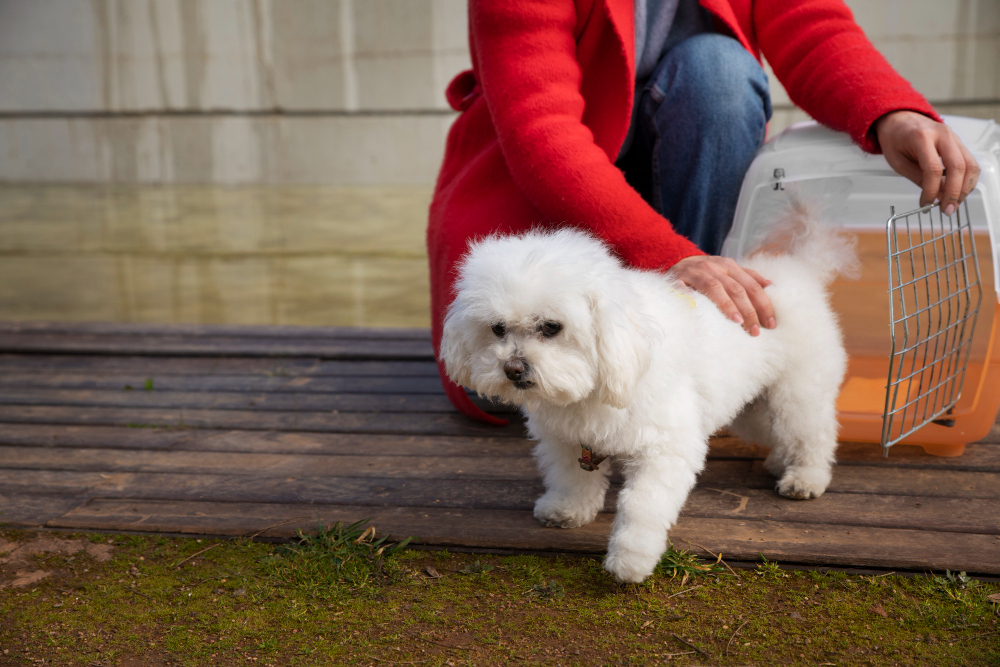
The Maltese is a beloved small hypoallergenic dog that’s perfect for apartment living. These gentle companions weigh between 4-7 pounds and are known for their silky white coat that doesn’t shed. Maltese dogs are affectionate, playful, and excellent for families with allergies.
Yorkshire Terrier
Yorkshire Terriers, or Yorkies, are tiny powerhouses with big personalities. Weighing 4–7 pounds, these dogs have hair similar to human hair instead of traditional fur. They’re hypoallergenic dogs for apartments and make wonderful companions for city dwellers.
Bichon Frise
The Bichon Frise is a cheerful, fluffy white dog that rarely sheds. These small hypoallergenic dogs weigh 12-18 pounds and are known for their friendly disposition. They’re fantastic family-friendly hypoallergenic dogs that get along well with children and other pets.
Shih Tzu
Shih Tzus are ancient Chinese breeds that have become American favorites. These low-shedding dog breeds weigh 9-16 pounds and have luxurious coats that require regular grooming. They’re calm, affectionate, and ideal for families seeking hypoallergenic dogs for kids.
Medium Hypoallergenic Dogs
Miniature Schnauzer
Miniature Schnauzers are intelligent, spirited dogs weighing 11-20 pounds. Their wiry coat sheds minimally, making them excellent dogs for people with allergies. These dogs are alert companions and excellent watchdogs.
Portuguese Water Dog
Made famous by the Obama family, Portuguese Water Dogs are active, intelligent breeds weighing 35-60 pounds. These medium hypoallergenic dogs love water and need plenty of exercise, making them perfect for active American families.
Soft-Coated Wheaten Terrier
These friendly Irish dogs weigh 30-40 pounds and have soft, silky coats that produce minimal dander. They’re energetic, loving, and great for families who want a playful companion without the allergy concerns.
Large Hypoallergenic Dogs
Standard Poodle
Poodles are perhaps the most well-known hypoallergenic dog breed. Standard Poodles weigh 45-70 pounds and are incredibly intelligent and trainable. Their curly coat traps dander and dead hair, preventing it from spreading throughout your home. Poodles are consistently ranked among the best hypoallergenic dogs for families.
Giant Schnauzer
For those seeking a protective companion, Giant Schnauzers weigh 55-85 pounds and make excellent guard dogs. These large hypoallergenic dogs are loyal, intelligent, and require consistent training and exercise.
Popular “Designer” Hypoallergenic Breeds
Labradoodle
Labradoodles are a cross between Labrador Retrievers and Poodles. These hypoallergenic puppies are not officially recognized by the American Kennel Club but have become very popular across the United States. They typically weigh 50-65 pounds and combine the friendly nature of Labs with the low-shedding qualities of Poodles.
Goldendoodle
Similar to Labradoodles, Goldendoodles mix Golden Retrievers with Poodles. These gentle, intelligent dogs weigh 50-90 pounds depending on the Poodle parent’s size. They’re wonderful family-friendly hypoallergenic dogs known for their patience with children.
Are Hypoallergenic Dogs Really Hypoallergenic?
This is one of the most frequently asked questions by prospective dog owners. The honest answer is that truly allergen-free dogs don’t exist. Hypoallergenic breeds produce significantly fewer allergens than other dogs and are manageable for many allergy sufferers.
Do Hypoallergenic Dogs Exist?
Marketing may suggest otherwise, but medical professionals agree that all dogs produce some level of allergens. What makes certain breeds “hypoallergenic” is their reduced production of the Can f 1 protein (the primary dog allergen) and their minimal shedding, which prevents allergens from spreading throughout your home.
Individual Variation Matters
Allergen production varies by breed and individual dog. Some people with allergies react to one Poodle but not another. Spend time with the specific dog before bringing it home to gauge your reaction.
Finding Your Perfect Hypoallergenic Companion
Hypoallergenic Dogs for Sale vs. Adoption
Buying from Hypoallergenic Dog Breeders: Research reputable breeders carefully when looking for hypoallergenic dogs for sale. Good breeders:
- Provide health clearances for parent dogs
- Allow you to visit and meet the puppies
- Offer health guarantees
- Are knowledgeable about the breed
- Screen potential buyers
Most hypoallergenic puppies from quality breeders cost $1,000–$3,000. Rare breeds or designer dogs can cost significantly more.
Hypoallergenic Rescue Dogs: Many people don’t realize you can adopt hypoallergenic dogs from shelters and rescues. Organizations like Poodle Rescue of New England, Carolina Poodle Rescue, and breed-specific rescues across the country often have wonderful dogs seeking homes. Adoption fees typically range from $200-$500 and include vaccinations and spaying/neutering.
Best Hypoallergenic Dogs for Different Lifestyles
Apartments: Maltese, Yorkshire Terriers, and Bichon Frise are the most hypoallergenic dog breeds for apartments. They have small size and moderate exercise needs.
Families with Kids: Poodles, Goldendoodles, Labradoodles, and Portuguese Water Dogs are patient, playful, and sturdy enough for children.
Active Owners: Portuguese Water Dogs, Standard Poodles, and Soft-Coated Wheaten Terriers need plenty of exercise and outdoor adventures.
Seniors: Maltese, Shih Tzu, and Bichon Frise offer companionship without overwhelming physical demands.

Managing Pet Allergies with Hypoallergenic Dogs
Even with the least allergenic dogs, you’ll need to take steps to minimize allergen exposure.
Essential Hypoallergenic Dogs Grooming Tips
Regular grooming is critical for reducing dog dander and maintaining your allergy-friendly environment:
- Brush daily: This removes loose hair and dander from the dog before it spreads
- Bathe weekly: Use hypoallergenic dog shampoo to reduce allergen buildup
- Professional grooming: Schedule appointments every 6-8 weeks
- Clean grooming tools: Wash brushes and combs regularly
Home Management Strategies
Air Quality:
- Use HEPA air purifiers in main living areas
- Change HVAC filters monthly
- Use HEPA-filtered vacuums at least twice weekly
Creating Allergen-Free Zones:
- Keep your bedroom dog-free
- Use allergen-proof covers on furniture
- Wash dog bedding weekly in hot water
Personal Hygiene:
- Wash hands after petting your dog
- Change clothes if they’ve collected dander
- Keep dogs off furniture when possible
Health and Care for Non-Shedding Dogs
Hypoallergenic dogs offer allergy benefits and have specific care requirements.
Coat Maintenance for Low-Shedding Dog Breeds
Non-shedding dogs don’t lose their hair naturally, which means it continues growing and can become matted without proper care. Budget for:
- Professional grooming every 4-8 weeks: $50-$100
- Quality brushes and grooming tools: $50-$150
- Hypoallergenic shampoos and conditioners: $15-$30 monthly
Common Health Considerations
Different hypoallergenic breeds have varying health concerns:
- Poodles: Hip dysplasia, eye disorders, Addison’s disease
- Maltese: Dental issues, luxating patella
- Portuguese Water Dogs: Hip dysplasia, progressive retinal atrophy
- Bichon Frise: Allergies (ironically), bladder stones
Regular veterinary care is essential. Budget $500-$1,000 annually for routine care, with emergency funds for unexpected issues.
The Financial Reality of Owning Hypoallergenic Dogs
Understanding the true cost of dog ownership helps you make informed decisions.
Initial Costs
- Purchase/adoption: $200-$3,000+
- Supplies (crate, bed, bowls, toys): $200-$500
- Initial veterinary exam and vaccinations: $200-$400
- Spaying/neutering (if not done): $200-$500
Annual Expenses
- Food: $500-$1,200
- Grooming: $600-$1,200
- Routine veterinary care: $500-$1,000
- Pet insurance: $300-$700
- Supplies and toys: $200-$400
Total first-year costs: $2,700-$7,000+ Annual ongoing costs: $2,100-$4,500+
Training Your Hypoallergenic Puppy
Most hypoallergenic dog breeds are intelligent and trainable. These dogs need proper socialization and training.
Key Training Priorities
Socialization: Expose your hypoallergenic puppy to various people, animals, and environments between 8-16 weeks of age. Well-socialized dogs are more confident and better behaved.
Basic Commands: Focus on sit, stay, come, down, and leave it. These commands provide safety and control.
Grooming Tolerance: These breeds require extensive grooming. Handle paws, ears, and brushing early to build positive associations.
House Training: Smaller hypoallergenic dogs take longer to housetrain because of their tiny bladders. Consistency and patience are key.
FAQs:
What are the most hypoallergenic dogs?
Poodle, Bichon Frisé, Portuguese Water Dog, and Maltese.
What’s the cheapest hypoallergenic dog?
Poodles (Miniature/Toy), Bichon Frise, Shih Tzus, Maltese, and Yorkshire Terriers (Yorkies).
What is a lazy hypoallergenic dog?
The Maltese.
Conclusion: Finding Your Perfect Allergy-Friendly Match
Hypoallergenic dogs open up the wonderful world of dog ownership to millions of Americans who thought allergies made it impossible. The elegant Standard Poodle, cheerful Bichon Frise, and playful Goldendoodle are allergy-friendly dogs that fit different lifestyles.
Success with hypoallergenic dogs requires more than choosing the right breed. Commitment to regular grooming, home cleanliness, and proper care ensures both you and your new companion thrive. These dogs require investment in time and money. The unconditional love and companionship they provide make every effort worthwhile.
Ready to start your search? Connect with reputable hypoallergenic dog breeders in your area, visit local rescue organizations, and spend time with different breeds. Your perfect hypoallergenic companion is out there waiting to become part of your family.