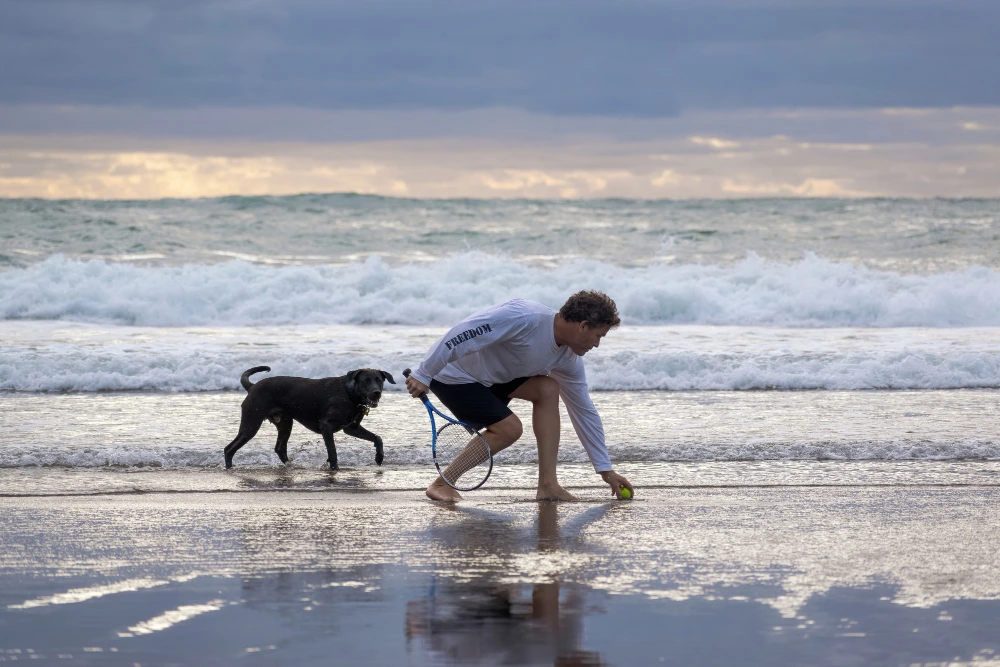
Dog Friendly Beaches for Your Next Adventure
Taking your furry friend to the beach creates unforgettable memories and provides excellent exercise for both of you. Finding the right dog friendly beaches across the United States ensures your pup can enjoy splashing in the waves, digging in the sand, and socializing with other four-legged beachgoers.
Why Choose Pet Friendly Beaches for Your Next Adventure
Beaches that allow pets offer unique benefits that regular dog parks simply cannot match. The combination of open space, water play, and new sensory experiences stimulates your dog’s mind and body in ways that keep them healthy and happy.
Ocean swimming with dogs provides low-impact exercise that’s gentle on joints while building muscle tone. The natural resistance of water makes even a short swim equivalent to a much longer walk. Many veterinarians recommend beach visits for senior dogs who need exercise without the strain on aging hips and knees.
The social aspect of dog beaches cannot be overstated. Your canine companion gets to interact with dogs of all sizes and breeds, improving their social skills and confidence.

Best Dog Friendly Beaches Across the United States
West Coast Canine Beaches
California leads the nation in off-leash dog beaches, with dozens of designated areas along its extensive coastline. Huntington Dog Beach in Orange County spans 1.5 miles of leash-free sandy paradise where dogs can run freely and swim year-round. The beach provides dog waste stations, fresh water fountains, and shaded areas for hot summer days.
Carmel Beach in Northern California allows dogs off-leash at all times, making it one of the most pet-friendly coastal towns in America. The white sand beach stretches for a mile, and dogs can explore tide pools and chase seabirds to their heart’s content.
East Coast Pet Friendly Beach Resorts
Cape Cod in Massachusetts has many dog-friendly beach access points. Provincetown’s Herring Cove Beach remains a popular choice. Dogs enjoy off-leash access on designated pet beaches from October through April.
Delaware’s dog-friendly coastline includes Rehoboth Beach. Dogs access the beach and boardwalk before 9:30 AM and after 5:30 PM from May through September.
Florida’s Fort De Soto Park near St. Petersburg features a dedicated dog beach area with three fenced acres where small dog friendly beaches and large dog beach areas coexist peacefully. The park ranked as one of the top rated dog beaches in the United States.
Gulf Coast and Southern Beaches That Allow Pets
Galveston Island in Texas provides several stretches where leash-free beach areas welcome dogs year-round. Stewart Beach and East Beach both accommodate canine visitors with specific dog beach rules posted at entrance points.
The Gulf Shores of Alabama permit dogs on the beach from October through February. Orange Beach offers similar seasonal access for responsible pet owners.
Hidden Gem Dog Beaches
Cannon Beach in Oregon combines natural beauty with pet-friendly policies that make it a hidden gem for dog owners. The dramatic rock formations and wide sandy expanses give dogs plenty of room to explore.
Montrose Dog Beach in Chicago might surprise those who don’t associate the Midwest with beach culture. This Lake Michigan shoreline offers a fully fenced dog beach with separate areas for different size dogs.
Jupiter Dog Beach in Florida provides a quiet alternative to busier tourist beaches, with calmer waters perfect for puppy friendly beaches and senior dog beaches alike.
Dog Friendly Beaches Safety: Protecting Your Pet at the Coastline
Watch for warning flags and keep your dog close to shore in unfamiliar waters.
Saltwater ingestion causes dehydration and stomach upset in many dogs. Bring plenty of fresh water and offer it frequently to prevent your pup from drinking ocean water. A collapsible water bowl makes this easy.
Hot sand burns paw pads just like hot pavement. Visit during early morning or evening hours when sand temperatures drop. Beach booties protect sensitive paws during midday visits.
Jellyfish, stingrays, and other marine life can sting or injure curious dogs. Scan the waterline before letting your dog explore. Keep dogs away from washed-up creatures.
Sunburn affects dogs with short or light-colored coats, especially on noses, ears, and bellies. Pet-safe sunscreen on vulnerable areas prevents painful burns during long beach activities.
What to Bring to Dog Beach: Essential Packing List
Planning ahead ensures you have everything needed for a successful beach day:
Fresh water supply in a large container or multiple bottles keeps your dog hydrated throughout the visit. Provide at least one gallon of water per dog for a full day at the beach.
Waste bags and a small shovel help you follow dog beach etiquette by cleaning up after your pet. Many beaches provide dog waste stations. Bringing your own supplies prevents being caught unprepared.
Shade options like a beach umbrella or pop-up tent provide relief from the sun. Dogs overheat quickly and need regular breaks in shaded areas.
Toys designed for water play keep your dog entertained. Floating toys work best for ocean swimming with dogs, as they’re easy to spot in the waves.
A first aid kit with items like tweezers for splinters, antiseptic wipes, and bandages handles minor injuries on the spot.
Dog Beach Etiquette: Being a Responsible Pet Owner
Respecting other beachgoers ensures continued access to pet friendly beaches for everyone. Basic courtesy goes a long way in maintaining positive relationships between dog owners and the general public.
Voice control over your dog is essential at off-leash areas. Your dog should respond reliably to recall commands before receiving freedom at the beach. Dogs that ignore calls create safety risks and disturb other visitors.
Supervising your dog at all times prevents conflicts with other animals and people. Friendly dogs can get into trouble when left to wander unsupervised.
Cleaning up immediately after your dog maintains beach cleanliness and prevents disease transmission. Leaving waste behind gives all dog owners a bad reputation and leads to beach closures.
Controlling excessive barking shows consideration for others trying to enjoy a peaceful beach experience.

Understanding Dog Friendly Beaches Rules and Regulations
Most beaches that allow pets have specific regulations that vary by location and season. Summer dog beaches have restricted hours, usually early morning and evening, to avoid peak tourist times.
Leash requirements vary between locations. Some beaches keep dogs on leash at all times. Others designate specific leash-free areas.
Seasonal closures protect wildlife during nesting. Many coastal areas restrict dog access in spring and summer when shorebirds breed. Year-round dog beaches provide alternatives.
Best Beaches for Dogs by Size and Temperament
Small dogs sometimes feel overwhelmed at busy beaches where large dogs play roughly. Designated small dog-friendly beaches or visits during quieter hours help pint-sized pups enjoy the experience without stress.
Puppies benefit from gradual introductions to the beach environment. Start with short visits during calm weather at puppy-friendly beaches with gentle waves and soft sand.
Senior dogs require special consideration at the beach. Choose locations with easy access that don’t require long walks across deep sand.
High-energy dogs thrive at large dog beach areas where they can run full speed and burn off excess energy. These athletic pups need plenty of space and opportunities for vigorous play.
Nervous or reactive dogs do better at less crowded hidden gem dog beaches where they can explore without constant stimulation from other dogs and people.
Finding Dog Friendly Beaches Near Me: Research and Resources
Online directories list dog friendly beaches by state and region, making it easy to find options wherever your travels take you. Websites dedicated to pet travel compile user reviews and detailed information about amenities and restrictions.
Local animal shelters and veterinary clinics often maintain lists of nearby pet friendly coastal towns and beach access points. Staff members can recommend the most popular pet beaches based on firsthand experience.
Social media groups focused on dog ownership in specific cities share real-time updates about beach conditions, parking availability, and enforcement of dog beach rules. These communities provide valuable insider knowledge.
Mobile apps designed for dog owners include beach finders with GPS integration, user ratings, and photo galleries. These tools help you discover new locations and plan beach trips efficiently.
Seasonal Considerations for Beach Visits with Dogs
Winter beach visits offer unique advantages for dog owners. Cooler temperatures reduce overheating risks, and fewer crowds mean more space for dogs to explore.
Spring brings moderate temperatures ideal for beach activities with dogs. Watch for increased jellyfish populations in some areas as water temperatures rise. Seasonal wildlife restrictions may begin as nesting season starts.
Summer requires extra precautions because of heat and crowds. Visit before 9 AM or after 5 PM when temperature and visitor numbers are lower. Check summer dog beaches for specific time restrictions.
Fall provides some of the best conditions for canine beach adventures. Water temperatures stay warm enough for swimming as air temperatures cool. Tourist season ends, opening up more beach space for dogs.
Beach Safety Training Before Your First Visit
Teaching a reliable recall command is the foundation of safe off-leash beach time. Practice in increasingly distracting environments before testing your dog near the beach.
Water introduction should happen gradually for dogs new to swimming. Not all dogs instinctively know how to swim, and some need time to build confidence in the water. Start in shallow areas and use positive reinforcement.
Leave-it commands protect your dog from eating dead fish, jellyfish, and other hazardous items commonly found on beaches.

Making the Most of Dog Friendly Beaches Resort
Vacation planning around pet friendly beach resorts lets you extend beach time beyond day trips. Many coastal hotels and rental properties now welcome dogs with open arms.
Research resort amenities designed for dogs, including on-site washing stations, treat bars, and relief areas. These features make your stay more comfortable and convenient.
Pet sitting services at some resorts allow you to enjoy non-dog-friendly activities without leaving your pup alone in the room. This flexibility makes beach vacations work for the whole family.
Special packages at top rated dog beaches often include perks like dog treats, toys, and maps of local walking trails. These added touches enhance your experience and show that the resort truly values canine guests.
Conclusion: Start Your Dog Beach Adventure Today
Dog friendly beaches across the United States offer countless opportunities for adventure, exercise, and bonding with your canine companion. From the rocky shores of Maine to the warm waters of Southern California, pet friendly coastlines welcome responsible dog owners year-round.
Start by researching dog beaches near me to find convenient options for your first visit. Prepare properly with the right supplies, understand and follow dog beach rules, and practice dog beach etiquette to ensure a positive experience for everyone.
Your dog deserves the joy of running on sand, splashing in waves, and exploring new environments. Memories made at pet-friendly beaches last a lifetime. Health benefits keep your pup happy and active for years. Plan your first trip to a dog friendly beach today and discover why millions of pet owners make coastal adventures a regular part of their routine.