Essential Tips for Keeping Your Dog Hydrated and Healthy
Proper hydration is one of the most fundamental aspects of dog care. It is often overlooked until problems arise. Whether you’re a new pet parent or an experienced dog owner, understanding how to hydrate a dog effectively can prevent serious health issues and keep your furry friend thriving. Water is essential for every bodily function. Proper hydration supports your dog’s overall health and longevity.
Why Dog Hydration Matters
Water makes up approximately 60-70% of your dog’s body weight and serves multiple critical functions. It regulates body temperature through panting, aids in digestion and nutrient absorption, cushions joints and organs, facilitates waste removal through urine and feces, and maintains healthy skin and coat condition. Without adequate hydration, your dog’s body cannot function optimally, leading to potential organ damage, urinary tract issues, and in severe cases, life-threatening conditions.
The importance of proper dog water intake cannot be overstated. Humans can consciously recognize and respond to thirst. Dogs rely on their owners to provide adequate water access and monitor their consumption. This makes understanding dog hydration needs an essential responsibility for every pet owner.
Understanding Dog Water Requirements Daily
How much water should a dog drink? The general guideline is approximately one ounce of water per pound of body weight per day. A 20-pound dog should consume about 20 ounces daily. A 60-pound dog needs around 60 ounces.
Several variables influence dog water consumption:
Activity Level: Active dogs engaging in regular exercise, agility training, or working activities require more water than sedentary pets. Physical exertion increases water loss through panting and increased metabolism.
Environmental Temperature: Dogs need more water during hot weather. Their water requirements can double or triple compared to cooler conditions. Dogs cool themselves primarily through panting, which causes significant moisture loss.
Diet Composition: Dogs eating primarily dry kibble need more supplemental water than those consuming wet food. Wet food provides an excellent moisture source. Many veterinarians recommend incorporating wet food for dogs who do not drink enough water independently.
Age Considerations: Puppies and senior dogs have different hydration needs. Senior dogs need special attention. Older dogs may have reduced kidney function, decreased mobility, or diminished thirst sensation.
Health Status: Various medical conditions affect water needs. Dogs with kidney disease, diabetes, or Cushing’s disease typically drink more water. Sick dogs face hydration challenges when illness reduces appetite and water intake.

Recognizing Dehydrated Dog Symptoms
Early recognition of dehydration signs can prevent serious complications. Learning to identify dehydrated dog symptoms is a critical skill for every dog owner.
Physical Indicators: Signs of dehydration include dry, sticky gums. Loss of skin elasticity occurs when skin does not snap back immediately after being gently pulled on the back of the neck. Sunken eyes appear. Saliva becomes thick and ropy.
Behavioral Changes: Lethargy or unusual tiredness; loss of appetite; excessive panting; reluctance to play or move; confusion or disorientation in severe cases.
Urinary Changes: Urine appears dark yellow or amber instead of pale yellow. Urination frequency decreases. Urine has a concentrated smell.
Multiple signs of dehydration in dogs require immediate contact with a veterinarian. Severe dehydration constitutes a medical emergency requiring professional dog dehydration treatment.
Practical Ways to Hydrate A Dog: Proven Strategies
1. Maintain Multiple Fresh Water Stations
The foundation of proper dog hydration starts with constant access to clean water. Place water bowls in multiple locations throughout the home. Focus on areas where your dog spends the most time. For multi-story homes, keep water available on each floor.
Change water at least once or twice daily. Wash bowls thoroughly with hot, soapy water every day. Stale water develops bacteria and may taste unpleasant, discouraging your dog from drinking. Choose bowl material carefully.
2. Invest in a Dog Water Fountain
Many dogs prefer moving water to still water. A dog water fountain appeals to this instinct and provides practical benefits. The circulation keeps water fresh and oxygenated, filters out debris and hair, and the sound and movement attract dogs to drink more frequently.
3. Make Water More Appealing
If your dog does not drink water despite availability, make it more enticing. Add a small amount of low-sodium chicken or beef broth to their water bowl. Start with just a tablespoon and gradually reduce the amount as they develop the drinking habit. Try ice cubes made from broth. They provide hydration and serve as an engaging treat.
4. Incorporate Moisture-Rich Foods
Adjusting your dog’s diet is one of the most effective natural ways to hydrate dogs. Wet food contributes significantly to overall hydration. Mix canned food with dry kibble or add water to create a gravy-like consistency that many dogs enjoy.
Fresh fruits and vegetables provide hydration. Dog-safe options include watermelon (seedless), cucumbers, celery, and blueberries. They serve as healthy, hydrating treats, especially during summer.
5. Establish a Drinking Routine
Dogs thrive on routine. Encourage drinking by offering water at consistent times: after waking, after meals, after play or exercise, and before bedtime. Actively offering water at these times helps establish healthy hydration habits.
6. Use Portable Water Solutions for Active Dogs
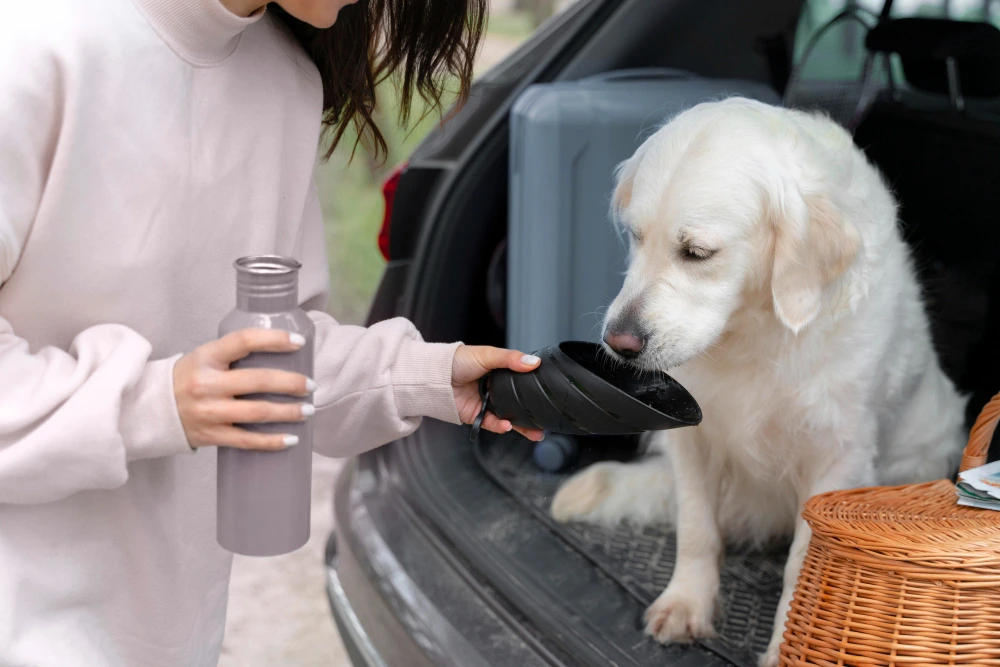
For outdoor adventures, always carry travel water for dogs. Collapsible silicone bowls are lightweight and convenient for hikes, trips to the park, or car rides. During walks, offer water every 15–20 minutes in hot weather or after vigorous play.
7. Monitor and Measure
Keep track of how much water your dog consumes daily. Use a measured amount when filling the bowl. Note how much remains at the end of the day. A dog water consumption calculator or simple measurement tracking helps you establish your dog’s normal baseline, making it easier to spot concerning changes that might indicate health issues.
Hydrate A Dog in Special Circumstances
Managing Senior Hydrate A Dog Needs
As dogs age, their hydration requirements become more complex. Older dogs may have decreased kidney function, requiring careful monitoring of water intake and output. Arthritis or mobility issues can make reaching bowls difficult. Use elevated bowls or place multiple bowls in easily accessible locations.
Senior dogs sometimes lose their sense of thirst, forgetting to drink enough. Actively encourage drinking by bringing water to them, adding moisture to their food, and offering flavored water or ice cubes.
Sick Hydrate A Dog Strategies
Ill dogs, especially those with vomiting or diarrhea, lose fluids rapidly. Offer small amounts of water frequently. Even a few licks every 15 minutes help. Ice chips allow gradual hydration without overwhelming a sensitive stomach.
Your veterinarian may recommend electrolytes to replace minerals lost during illness. Dog-specific electrolyte solutions are formulated for their nutritional needs. In some cases, subcutaneous fluid administration (giving fluids under the skin) or intravenous fluids may be necessary for dog dehydration treatment.
Exercise and Active Hydrate A Dog
Dog hydration during exercise requires attention. Before vigorous activity, ensure your dog is well-hydrated. Offer water breaks every 15–20 minutes during exercise. After activity, allow your dog to cool down before offering unlimited water. Gulping large amounts immediately after exercise can cause stomach upset or bloat in susceptible breeds.
Active dogs, working dogs, and those in agility or other sports need increased water intake.
Hot Weather Hydrate A Dog
Learning how to hydrate dog in hot weather can prevent heatstroke, a potentially fatal condition. During summer, dogs need more water. Provide shade and multiple water sources outdoors. Avoid exercise during peak heat hours, typically 10 AM to 4 PM.
Consider creating cooling stations with frozen treats, kiddie pools, or cooling mats. Monitor your dog closely for signs of overheating: excessive panting, drooling, bright red gums, weakness, or disorientation.
Hydrate A Dog Solutions and Supplements
Electrolytes for Dogs
Electrolytes—minerals like sodium, potassium, and chloride—regulate fluid balance and nerve function. Dogs lose electrolytes through panting, urination, and during illness or intense exercise. Dog-specific electrolyte supplements help restore this balance.
Never use human sports drinks like Gatorade, as they contain artificial sweeteners (like xylitol, which is toxic to dogs), excessive sugar, and inappropriate electrolyte ratios for canine physiology.
When to Use Supplements
Electrolyte supplementation benefits dogs in specific situations: after intense exercise or work, during illness with vomiting or diarrhea, in extreme heat, when recovering from dehydration, or as recommended by a veterinarian for certain health conditions.
Preventing Dog Dehydration: Best Practices for Dog Water Intake
Implementing these best practices for dog water intake keeps your canine companion properly hydrated:
Regular Bowl Maintenance: Clean bowls daily with hot, soapy water. Bacteria, algae, and biofilm develop quickly, making water taste bad and potentially causing illness.
Strategic Bowl Placement: Place water bowls away from litter boxes and in quiet areas where your dog feels comfortable drinking. Some dogs prefer their water bowl separate from their food bowl.
Consider Bowl Size and Depth: Large dogs need large bowls that won’t tip easily. Flat-faced breeds like Bulldogs or Pugs may prefer shallow, wide bowls. Long-eared breeds like Spaniels benefit from narrow, deep bowls that keep ears dry.
Temperature Control: In hot weather, keep water bowls in shaded areas and refresh frequently. During winter, ensure outdoor water does not freeze.
Travel Preparation: For short or long car rides, bring adequate water and a portable bowl. Many dogs become stressed during travel and may drink less, so offer water regularly.
Emergency Hydrate A Dog Home Remedies
- Offer ice chips for controlled, slow hydration that’s less likely to cause vomiting
- Use a needleless syringe to gently give small amounts of water or electrolyte solution
- Provide low-sodium broth if your dog refuses plain water
- Keep your dog in a cool, quiet environment to reduce stress and fluid loss
Remember, these emergency dog hydration home remedies are temporary stopgaps only.
How to Tell If Dog Is Drinking Enough Water
Beyond measuring water consumption, assess hydration through physical signs. A well-hydrated dog has moist, pink gums that are slippery to touch. Urine is clear to pale yellow. Energy levels remain consistent with normal activity. Bowel movements are regular. Eyes are bright without a sunken appearance.
Perform the skin tent test periodically. Well-hydrated skin snaps back immediately. Skin that stays “tented” or returns slowly indicates dehydration requiring veterinary attention.
When to Seek Veterinary Care
Consult a veterinarian if your dog has not drunk water in 24 hours, shows multiple dehydration symptoms, experiences vomiting, diarrhea, or excessive urination, displays sudden changes in drinking habits, seems disoriented, extremely lethargic, or weak, has kidney disease or other conditions affecting hydration, or is a puppy, senior dog, or pregnant/nursing female showing concerning signs.
These situations may indicate serious underlying conditions requiring professional dog dehydration treatment and diagnostic testing to identify the cause.
Conclusion: Prioritizing Your Dog’s Hydration
Understanding how to hydrate a dog effectively is fundamental to responsible pet ownership and your dog’s long-term health. By recognizing your dog’s individual water requirements, identifying signs of dehydration early, and implementing practical hydration strategies, you ensure your canine companion maintains optimal health.
Remember that proper dog hydration isn’t passive—it requires active monitoring, encouragement, and adaptation to your dog’s changing needs throughout different life stages and situations. Fresh, clean water should always be available.
By making hydration a priority and implementing these evidence-based strategies, you’re investing in your dog’s quality of life, longevity, and happiness. A well-hydrated dog is a healthy, energetic, and thriving companion ready to share many joyful years with you.