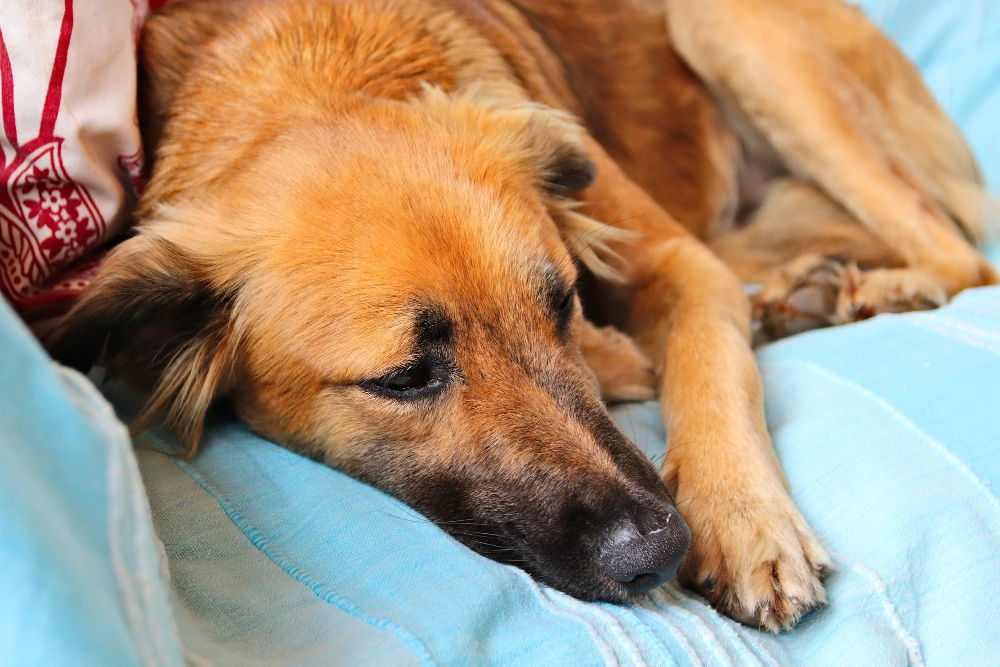
Sleeping Habits of Dogs: Everything You Need to Know as a Dog Owner
Introduction:
If you’ve ever looked over at your dog and found them sprawled out on the couch — again — you’re probably wondering: do dogs really need that much sleep? The short answer is yes. But there’s a lot more to your Sleeping Habits of Dogs: Understanding Dog REM Sleep than just laziness.
Understanding dog sleep behavior is one of the most important things you can do as a responsible dog owner in the United States. Whether you have a bouncy Golden Retriever puppy or a calm senior Basset Hound, knowing how dogs sleep, why they sleep the way they do, and when their sleep patterns signal a health issue can make a huge difference in their overall wellbeing.
In this guide, we’ll cover everything — from how many hours dogs sleep per day to what your dog’s sleeping position actually means, dog sleep disorders, REM sleep in dogs, and practical tips for creating the perfect sleep environment for your furry best friend.
How Many Hours Do Dogs Sleep Per Day?
One of the most common questions dog owners ask is: how much sleep does a dog actually need?
On average, dogs sleep between 12 to 14 hours per day. However, this number varies significantly depending on age, breed, size, and activity level.
Sleep Hours by Age
Puppies (0–12 months) Puppies are the ultimate sleepers. They can snooze anywhere from 18 to 20 hours a day. All that growth and brain development requires serious rest. If your new puppy is sleeping most of the day, don’t panic — it’s completely normal and healthy.
Adult Dogs (1–7 years) Healthy adult dogs typically sleep 12 to 14 hours per day, broken into nighttime sleep and several naps throughout the day. Dogs are polyphasic sleepers, meaning they cycle through multiple sleep-wake periods rather than one long stretch like humans.
Senior Dogs (7+ years) Older dogs tend to sleep more than adult dogs, often returning to puppy-like sleep durations of 15 to 18 hours. This is because aging takes a toll on their bodies and they need more rest to recover and function. If your senior dog is sleeping more than usual, it’s worth mentioning to your vet.
Sleep Hours by Breed Size
Larger dog breeds generally sleep more than smaller breeds. A Great Dane or Saint Bernard may sleep up to 18 hours a day, while a Chihuahua or Jack Russell Terrier might get by on 12 to 13 hours. Working breeds like Border Collies and German Shepherds, which are highly active and mentally stimulated, tend to sleep less during active periods but crash hard when they finally do rest.

Dog Sleep Cycles: Do Dogs Dream? | Sleeping Habits of Dogs
Here’s something that might surprise you: dogs go through sleep cycles very similar to humans. They experience both Non-REM (NREM) sleep and REM (Rapid Eye Movement) sleep, just like we do.
Sleeping Habits of Dogs: Understanding Dog REM Sleep
REM sleep is the stage where dreaming happens. During REM sleep, your dog’s brain is highly active — processing the day’s events, consolidating memories, and yes, dreaming.
- Twitching their paws
- Making small whimpering or barking sounds
- Moving their eyes beneath closed lids
- “Running” in their sleep
These are all completely normal signs that your dog is in deep REM sleep and likely dreaming about chasing squirrels, playing fetch, or re-living their favorite walk in the park.
Sleeping Habits of Dogs: How Long Are Dog Sleep Cycles?
While human sleep cycles last around 90 minutes, dog sleep cycles are much shorter — approximately 20 to 30 minutes. This means dogs cycle through light sleep and deep REM sleep more frequently than we do. It also explains why dogs can wake up instantly from what looks like a deep sleep and be fully alert within seconds — a trait inherited from their wild ancestors.
Dog Sleeping Positions and What They Mean
Your dog’s favorite sleeping position can actually tell you a lot about how they’re feeling — physically and emotionally. Here are the most common dog sleeping positions and their meanings:
The Curled-Up Ball (Donut Position)
This is one of the most common dog sleeping positions. When your dog curls into a tight ball with their tail near their nose, they are:
- Conserving body heat
- Protecting their vital organs
- Feeling slightly cautious or uncertain about their environment
This position is especially common in dogs that are new to a home or sleeping in an unfamiliar place. It’s an instinctual survival posture inherited from their wolf ancestors.
The Sprawled-Out Superman Position
When your dog lies flat on their belly with all four legs stretched out, they’re in what’s lovingly called the “Superman” pose. This position means:
- Your dog wants to rest but stay ready to spring into action
- They are comfortable in their environment
- It’s common in puppies and high-energy breeds
The Side Sleeper
A dog sleeping on their side with legs loosely extended is a dog that feels completely safe and comfortable. This position exposes the belly and vital organs, which means your dog fully trusts their environment. Deep REM sleep often happens in this position.
The Belly-Up Position
If your dog sleeps on their back with all four paws in the air, congratulations — you have one of the most relaxed dogs on the planet. This vulnerable position signals that your dog:
- Feels 100% safe and secure
- May be trying to cool down (the belly has less fur)
- Is in a very deep, comfortable sleep
The Cuddle Bug
Some dogs love to sleep pressed against their owner or another pet. This behavior comes from pack instincts — sleeping close to others provides warmth, security, and bonding. Dogs that sleep this way tend to be highly affectionate and social.
Why Is My Dog Sleeping So Much? Common Reasons and Sleeping Habits of Dogs
If you’ve noticed your dog sleeping more than usual, there are several possible explanations:
Sleeping Habits of Dogs: Normal Reasons for Increased Sleep
- Boredom or low stimulation: Dogs that don’t get enough mental or physical exercise tend to sleep more out of sheer boredom.
- Weather changes: Many dogs sleep more during cold or rainy days — just like humans.
- Post-exercise recovery: After a long hike, swim, or play session, your dog will naturally sleep more to recover.
- Age: As mentioned, puppies and senior dogs sleep significantly more than adult dogs.
Health-Related Reasons for Excessive Dog Sleep
If your dog’s sleep has suddenly and noticeably increased with no lifestyle change, it may be worth calling your vet. Excessive sleeping in dogs can sometimes be a sign of:
- Hypothyroidism — an underactive thyroid gland that slows metabolism
- Diabetes — causing fatigue and lethargy
- Anemia — low red blood cell count leading to chronic tiredness
- Depression — yes, dogs can experience depression, especially after major life changes
- Infections or illness — the body uses sleep as a recovery mechanism
- Canine cognitive dysfunction — a condition similar to Alzheimer’s in senior dogs
The key warning sign is a sudden change in your dog’s normal sleep pattern. If your once-energetic dog is suddenly sleeping all day and showing other symptoms like loss of appetite, weight changes, or behavioral shifts, schedule a vet visit promptly.
Dog Sleep Disorders You Should Know About in Sleeping Habits of Dogs
Just like humans, dogs can suffer from sleep disorders that affect the quality and quantity of their rest.
Dog Insomnia
True insomnia is relatively rare in dogs, but it does happen. A dog with insomnia may pace at night, seem restless, or wake up repeatedly.
- Anxiety or separation anxiety
- Pain from arthritis or injury
- Cognitive dysfunction in older dogs
- Environmental disruptions (new home, new pet, schedule changes)
Dog Sleep Apnea
Sleep apnea in dogs involves interrupted breathing during sleep and is most common in brachycephalic breeds — those with short, flat faces like Bulldogs, Pugs, Boston Terriers, and French Bulldogs. Signs include loud snoring, gasping, or frequently waking during sleep. If you suspect your dog has sleep apnea, consult your vet, as it can impact their overall health significantly.
REM Sleep Behavior Disorder
This disorder causes dogs to act out their dreams physically — sometimes aggressively — during REM sleep. Unlike normal twitching, dogs with this condition may thrash, growl, or even bite during sleep episodes. It’s more common in older dogs and requires veterinary evaluation.
Narcolepsy
Narcolepsy is a neurological condition where dogs suddenly fall asleep during activity. It can look alarming but is not life-threatening. It’s more commonly seen in Doberman Pinschers, Labrador Retrievers, and Poodles.
Should Dogs Sleep With Their Owners? Sleeping Habits of Dogs Explained
This is one of the most debated topics among dog owners in the US. The truth is — it depends on you, your dog, and your household.
Sleeping Habits of Dogs: Benefits of Co-Sleeping With Dogs
- Strengthens the bond between owner and dog
- Provides comfort and reduces anxiety in both humans and dogs
- Can improve feelings of safety and security
- Studies have shown that some people sleep better with their dogs nearby
Sleeping Habits of Dogs: Potential Drawbacks of Dogs Sleeping in Beds
- Disrupted human sleep if your dog moves around a lot
- Hygiene concerns (especially if your dog goes outdoors frequently)
- Can reinforce separation anxiety if the dog becomes overly dependent
- Not recommended if anyone in the home has pet allergies
The American Kennel Club notes that as long as your dog is healthy and well-groomed, co-sleeping is generally safe and can be a positive experience for both parties.
How to Create the Perfect Sleep Environment for Your Dog
Whether your dog sleeps in your bed, a dog bed, or a crate, the environment plays a huge role in the quality of their sleep.
Choose the Right Dog Bed
Look for a dog bed that supports your dog’s size and sleeping style. Orthopedic beds are especially beneficial for large breeds and senior dogs with joint issues. Dogs that love the curled-up position may prefer a donut-shaped bed with raised edges, while sprawling side sleepers need a flat, open surface.
Sleeping Habits of Dogs: Set a Consistent Sleep Schedule
Dogs thrive on routine. Try to keep feeding times, walks, and bedtime consistent every day. A regular schedule helps regulate your dog’s internal clock and leads to better quality sleep at night.
Ensure Enough Daily Exercise
A well-exercised dog sleeps better. Make sure your dog gets age-appropriate physical activity every day. High-energy breeds need at least 60–90 minutes of exercise, while calmer breeds may do well with 30–45 minutes.
Keep the Sleep Space Comfortable
- Maintain a comfortable room temperature (dogs sleep best between 65–75°F)
- Minimize noise disruptions at night
- Provide a clean, familiar-smelling sleeping space
- Keep the sleep area separate from high-traffic zones in the house
Address Anxiety Issues
If your dog struggles to sleep due to anxiety, consider:
- Calming supplements like melatonin (consult your vet first)
- Anxiety wraps or thunder shirts
- White noise machines
- Behavioral training and desensitization
Puppy Sleep Patterns — What New Dog Owners Should Know
Bringing home a new puppy? Expect a challenging first few weeks of sleep — for both of you.
Puppies have not yet developed a consistent circadian rhythm, which means they wake up frequently at night. Here are some tips to help establish healthy puppy sleep patterns:
- Crate training helps puppies feel secure and teaches them that the crate is a safe sleep space
- Last potty break should happen right before bedtime to minimize nighttime wake-ups
- Avoid exciting play in the hour before bed to help puppies wind down
- Be consistent — puppies adapt quickly when routines are firm and predictable
Most puppies begin sleeping through the night consistently by 4 to 6 months of age.
Senior Dog Sleeping More — When to Be Concerned Sleeping Habits of Dogs
It is perfectly normal for older dogs to sleep more. However, there are signs that warrant a vet visit:
- Sleeping so much they skip meals
- Difficulty waking up or extreme grogginess when awake
- Confusion or disorientation upon waking
- Sleeping in unusual places away from family
- Sudden, dramatic increase in sleep with no other explanation
These can be signs of canine cognitive dysfunction, pain, heart disease, or other serious conditions that are much more manageable when caught early.
Fun Facts About Dog Sleep Habits
- Dogs spend about 50% of their day sleeping, 30% awake but resting, and only 20% being active.
- Dogs are opportunistic sleepers — they can fall asleep almost anywhere, anytime.
- The position of a dog’s sleep can change depending on the temperature of the room.
- Dogs that work (like police dogs or service dogs) tend to sleep more because of the mental energy their jobs require.
- Dogs often synchronize their sleep schedules with their human family members over time.
Conclusion:
Understanding your dog’s sleeping habits is one of the simplest and most powerful ways to stay connected to their health and happiness. From knowing how many hours your pup should sleep at each life stage, to recognizing what their favorite sleeping position says about their mood, to identifying warning signs of sleep disorders — being informed makes you a better, more attentive dog owner.
The bottom line: most dogs are healthy sleepers who simply love their rest. As long as your dog is eating well, staying active during their waking hours, and sleeping comfortably without signs of distress, those long naps are nothing to worry about. In fact, a soundly sleeping dog is usually a happy, healthy dog.