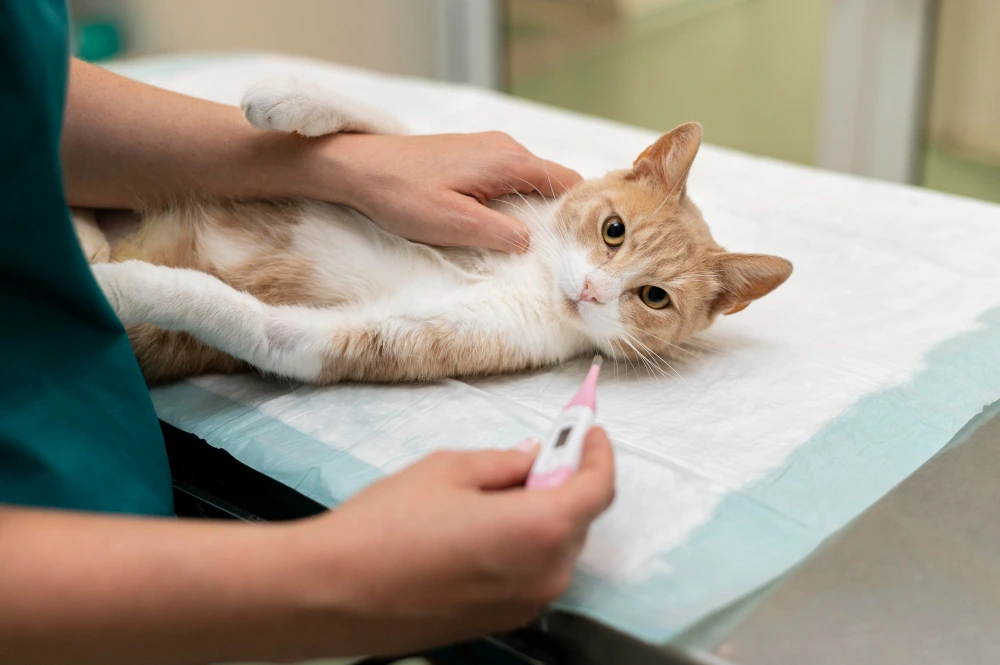
Spotting Cat UTI Symptoms: A Guide for Concerned Owners
If you’re a cat parent, you know how quickly your furry friend can go from playful to uncomfortable. One of the most common health issues cats face is a urinary tract infection (UTI). The tricky part? Cats are masters at hiding pain, which means spotting the early cat UTI symptoms can be challenging — but not impossible. Whether it’s frequent urination, straining to urinate, or blood in cat urine, recognizing the signs of UTI in cats early can save your furry companion from serious pain and costly vet visits.
In this guide, we’ll walk you through everything you need to know about cat UTI symptoms, causes, risk factors, and when it’s time to rush to your vet. Whether you have a kitten or a senior cat, this information could genuinely make a difference in your pet’s health.
What Is a Cat UTI?
A urinary tract infection in cats happens when bacteria enter the bladder or urethra and begin to multiply. The lower urinary tract — which includes the bladder and the urethra — becomes inflamed and infected, causing a range of uncomfortable and sometimes dangerous symptoms.
It’s worth noting that true bacterial UTIs are actually less common in cats than in dogs or humans. What’s far more common is Feline Lower Urinary Tract Disease (FLUTD) — an umbrella term that covers several conditions affecting the bladder and urethra. However, the symptoms often look very similar, which is why visiting a vet for proper diagnosis is so important.

Common Cat UTI Symptoms You Should Never Ignore
Knowing what to look for is the first step in protecting your cat’s urinary health. Here are the most important symptoms of UTI in cats to watch for:
1. Frequent Urination With Little Output
Does your cat seem to be running to the litter box every few minutes but producing barely any urine? This is one of the most telltale signs of a UTI in cats. The infection irritates the bladder lining, making your cat feel the constant urge to pee — even when there’s nothing left.
2. Straining or Painful Urination
If your cat is crouching in the litter box for a long time and appears to be struggling, that’s a major red flag. Difficult or painful urination — sometimes accompanied by crying or whimpering — suggests significant discomfort in the urinary tract.
3. Blood in Cat Urine
Spotting pink, red, or rust-colored stains in the litter box is alarming — and rightfully so. Blood in cat urine (called hematuria) is a classic symptom of a bladder infection or other urinary issue. Don’t wait to see if it goes away on its own. Call your vet right away.
4. Urinating Outside the Litter Box
Is your well-trained cat suddenly peeing on your bathroom floor, in the sink, or on a pile of laundry? This behavior — known as inappropriate urination — is often a sign that your cat associates the litter box with pain and is trying to find relief elsewhere. It’s one of the most common and frustrating cat UTI symptoms for owners to deal with.
5. Excessive Licking Around the Genital Area
Cats groom themselves regularly, but if you notice your cat obsessively licking around their rear end or genital area, it could be a sign of irritation caused by a feline UTI. The constant licking is their way of trying to soothe the discomfort.
6. Crying or Whining During Urination
This one is hard to miss. If your cat vocalizes — meows, cries, or howls — while using the litter box, they are telling you something is very wrong. Painful urination in cats is a clear indicator of a urinary problem that requires immediate veterinary attention.
7. Lethargy and Vomiting
As a UTI progresses, especially if it spreads to the kidneys (a condition called pyelonephritis), your cat may become unusually tired, stop eating, or even vomit. These are signs the infection has become more serious and your cat needs emergency care.
8. Strong-Smelling Urine
Healthy cat urine has a mild odor. If you notice an unusually strong, pungent, or ammonia-like smell coming from the litter box, bacterial infection could be to blame.
Cat UTI Symptoms in Male vs. Female Cats
Female Cats
Female cats are more prone to UTIs than males because their urethras are shorter and wider, making it easier for bacteria to travel up into the bladder. Common signs in female cats include frequent urination, blood in urine, and urinating outside the litter box.
If your female cat shows clinical UTI signs for more than 1–2 days, it’s time to see the vet.
Male Cats
While male cats are less likely to develop a true bacterial UTI, they face a much more serious risk — urethral blockage. Their urethra is long and narrow, making it easy for crystals, mucus plugs, or inflammation to cause a complete blockage.
A male cat that is straining to urinate with no output at all is a medical emergency. If you notice this, head to an emergency vet immediately — this condition can be fatal within 24 to 48 hours if left untreated.
What Causes UTIs in Cats?
Understanding the underlying causes can help you prevent future infections. Here are the most common causes of UTI in cats:
Bacterial infection is the primary cause — bacteria from the gastrointestinal tract or lower reproductive tract travel up into the bladder and multiply.
Beyond bacteria, several conditions can put your cat at higher risk:
- Diabetes mellitus — high blood sugar creates a favorable environment for bacterial growth
- Kidney disease — weakens your cat’s ability to fight off infections
- Hyperthyroidism — common in older cats, increases susceptibility
- Bladder stones or crystals — irritate the bladder lining and create blockages
- Obesity — skin folds around the genital area can trap moisture and bacteria
- Stress and anxiety — a major trigger for Feline Idiopathic Cystitis (FIC), which mimics UTI symptoms
- A dirty litter box — bacteria buildup increases infection risk significantly
Risk Factors Is Your Cat More Vulnerable to Cat UTI Symptoms?
Some cats are simply more prone to urinary tract problems than others. Watch out if your cat:
- Is older (senior cats have weaker immune systems)
- Has diabetes, kidney disease, or hyperthyroidism
- Is overweight or obese
- Lives in a high-stress environment (multi-pet households, recent moves, changes in routine)
- Has a history of bladder stones or recurring UTIs
- Is female (anatomically more susceptible)
How Do Vets Diagnose Cat UTI Symptoms and Urinary Tract Infections?
When you bring your cat in for suspected urinary issues, your vet will likely perform several tests to get an accurate diagnosis:
Urinalysis is the most important test — it checks for the presence of bacteria, white blood cells, red blood cells, and crystals in the urine. A urine culture may also be done to identify the specific bacteria and determine the best antibiotic.
Depending on the severity of symptoms, your vet may also recommend bloodwork, X-rays, or an ultrasound to check for bladder stones, tumors, or kidney involvement.
How Is a Cat UTI Treated?
The good news is that cat UTIs are very treatable, especially when caught early.
Antibiotics are the primary treatment for bacterial UTIs. The course typically lasts 7 to 14 days depending on the severity. Never skip doses or stop early, even if your cat seems to feel better.
Your vet may also recommend:
- Pain medications to ease discomfort during urination
- Subcutaneous fluids to rehydrate your cat and flush out the bladder
- Dietary changes — a wet food diet or prescription urinary health food increases water intake and helps flush bacteria from the bladder
- Urinary supplements to support long-term bladder health
- Surgery — if bladder stones are present and cannot be dissolved through diet alone
For male cats with a urethral blockage, emergency catheterization is required to remove the blockage, often followed by hospitalization.

Can You Prevent Cat UTIs?
While you can’t guarantee your cat will never get a UTI, there are several steps you can take to significantly reduce the risk of feline urinary tract infections:
Keep the litter box clean. Scoop at least once daily and do a full clean weekly. A clean litter box means less bacterial exposure.
Encourage hydration. Cats are naturally low-thirst animals, which is why wet food is highly recommended. A cat water fountain can also encourage more drinking, which helps flush the urinary tract naturally.
Reduce stress. Provide enough space, hiding spots, and routine for your cat. If you have multiple cats, make sure there are enough litter boxes (one per cat, plus one extra is the golden rule).
Schedule regular vet checkups. Annual wellness exams can catch early signs of chronic UTI in cats or underlying conditions like diabetes or kidney disease before they escalate.
Feed a urinary-health diet. If your cat has had a UTI before, talk to your vet about a long-term preventative urinary health diet that controls mineral levels and maintains a healthy urine pH.
Severe Cat UTI Symptoms: When Should You Rush to the Emergency Vet?
Some situations can’t wait for a regular appointment. Head to an emergency vet immediately if your cat:
- Is straining to urinate with zero output (especially male cats)
- Is crying out in pain constantly
- Has blood in urine combined with lethargy or vomiting
- Hasn’t urinated at all in more than 12 hours
- Appears extremely weak or unresponsive
These could be signs of a life-threatening urinary blockage that requires urgent treatment.
FAQs:
How can you tell if your cat has a UTI?
If you notice your cat straining in the litter box, producing little to no urine, or crying in pain.
How do I help my cat that has a UTI?
Seek veterinary care immediately.
How to check cat for UTI at home?
Try to urinate frequently, may pass only small amounts of urine, may strain to urinate, and may cry or whine when urinating.
Final Thoughts:
Your cat depends on you to notice when something isn’t right. Learning to recognize the early cat UTI symptoms — from frequent urination and straining to blood in urine and litter box avoidance — can save your cat from unnecessary pain and prevent a minor infection from turning into a serious health crisis.
If you ever feel unsure, trust your instincts and call your vet. When it comes to your cat’s urinary health, it’s always better to be safe than sorry. A quick vet visit today could mean a happy, healthy cat for years to come.