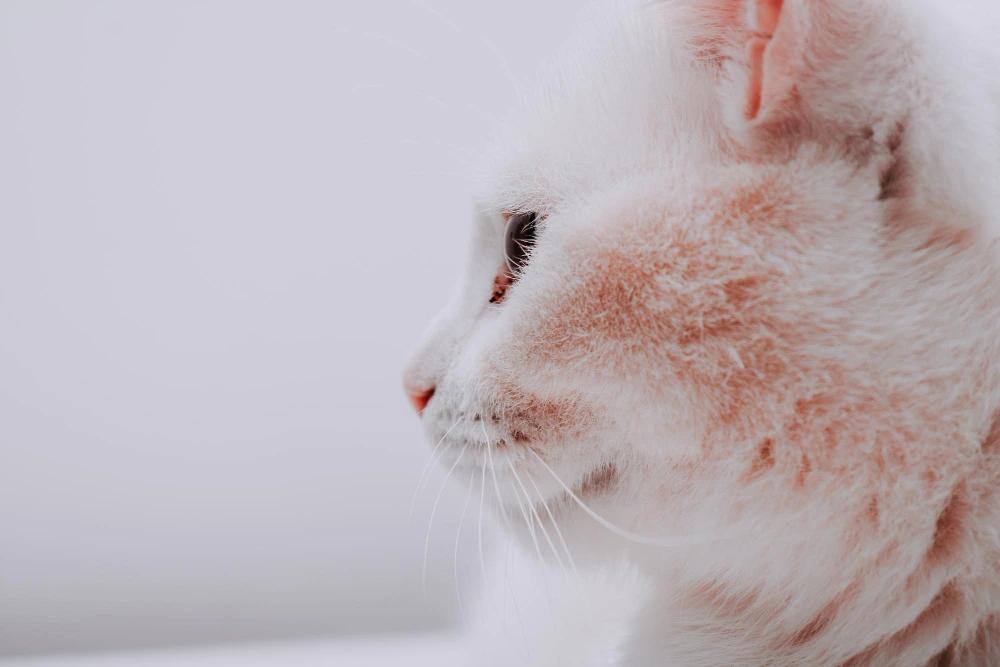
Understanding Cat Skin Problems: Causes, Symptoms and Solutions
If you’re a cat owner in the United States, you know how much your furry friend means to you. Cats are loving, playful, and sometimes a little mysterious — but when your cat starts scratching nonstop, losing fur, or developing bumps and sores on their skin, it can be really worrying. The good news? Most cat skin problems are treatable once you know what to look for.
In this guide, we’ll walk you through everything you need to know about cat skin issues — from common causes and symptoms to treatment options and when to call your vet.
What Are Cat Skin Problems?
Cat skin problems refer to any condition that affects the health, appearance, or comfort of your cat’s skin and coat. These problems can range from mild irritation to serious infections that require medical attention.
Skin is actually the largest organ in a cat’s body. It protects them from bacteria, regulates body temperature, and acts as a barrier against the outside world. When something goes wrong with your cat’s skin, it’s often a signal that something deeper — like an allergy, infection, or parasite — needs to be addressed.

Common Types of Cat Skin Problems
1. Cat Skin Allergies
One of the most frequent causes of cat skin irritation in the U.S. is allergies. In fact, cats can be allergic to:
- Food ingredients like chicken, beef, dairy, or grains
- Environmental allergens like pollen, mold, or dust mites
- Flea saliva — even one flea bite can trigger a major reaction in sensitive cats
- Household products like cleaning sprays, detergents, or air fresheners
Allergic cats often show signs like excessive scratching, red skin patches, hair loss, and skin rashes. This condition is sometimes called cat contact dermatitis when caused by something your cat touched directly.
2. Flea Infestation and Flea Allergy Dermatitis
Fleas are one of the most common causes of cat skin problems in American households. But what makes it worse is flea allergy dermatitis (FAD) — an allergic reaction to flea saliva that causes intense itching, scabby skin, and hair loss, especially around the base of the tail and lower back.
Signs your cat may have fleas:
- Constant scratching and biting at skin
- Tiny black dots (flea dirt) in the fur
- Red, irritated skin
- Restlessness or agitation
Even indoor cats can get fleas, so regular flea prevention is essential for every U.S. cat owner.
3. Ringworm in Cats
Despite the name, ringworm is not a worm — it’s a fungal skin infection that’s very common in cats and highly contagious to humans and other pets. It appears as circular, scaly patches of hair loss, usually on the head, ears, and forelimbs.
Key facts about ringworm:
- It spreads through direct contact with an infected cat
- Kittens and senior cats are most vulnerable
- It requires antifungal treatment prescribed by a vet
- It can survive in your home environment for months
If you notice cat skin lesions that look like bald, crusty rings, call your vet right away.
4. Bacterial Skin Infections (Pyoderma)
When your cat scratches or bites at irritated skin, it can break the skin’s surface and allow bacteria to enter — causing a bacterial skin infection, also called pyoderma. Symptoms include:
- Pus-filled bumps or pustules
- Crusty, scabby skin
- Redness and swelling
- An unpleasant odor from the skin
This type of cat skin infection usually requires antibiotics from your vet and needs prompt treatment before it spreads.
5. Mange (Mite Infestation)
Mange is caused by tiny parasitic mites that burrow into your cat’s skin. There are two main types:
- Sarcoptic mange — extremely itchy and contagious
- Demodectic mange — less common in cats, often linked to a weakened immune system
Signs of mange include cat skin bumps, intense itching, crusty skin, and significant hair loss. A vet can diagnose mange through a skin scraping test.
6. Cat Acne
Yes — cats can get acne too! In most cases, cat acne usually appears as blackheads or small cat skin bumps on the chin. It’s often caused by:
- Plastic food bowls (which harbor bacteria)
- Poor grooming habits
- Stress or hormonal imbalances
Mild cases can be managed at home with gentle cleaning, but severe cases may require veterinary treatment.
7. Dry and Flaky Cat Skin Problems (Dandruff)
Cat dry flaky skin — often called cat dandruff — is a common issue, especially in older cats or those living in dry climates. It can be caused by:
- Low humidity (common in U.S. winters)
- Poor diet lacking omega-3 fatty acids
- Dehydration
- Underlying health conditions like hyperthyroidism or diabetes
You might notice white flakes in your cat’s fur or on their bedding. While often harmless, persistent dandruff should be checked by a vet.
Symptoms of Cat Skin Problems — What to Watch For
As a cat owner, catching a problem early makes a huge difference. Here are the most important warning signs of cat skin problems:
- Excessive scratching, licking, or biting at the skin
- Hair loss or bald patches anywhere on the body
- Scabs, sores, or crusty patches on the skin
- Red or inflamed skin
- Bumps, lumps, or rashes
- Dandruff or flaky skin
- Unusual odor coming from the skin or coat
- Over-grooming — cats licking themselves bald in spots
- Skin that appears thickened or darkened
If your cat is showing any of these signs persistently, it’s time to book a vet appointment.
Causes of Cat Skin Problems — Why Does It Happen?
Understanding the root cause is key to effective treatment. In fact, the most common causes of cat skin irritation and related problems include:
- Parasites — fleas, mites, and lice
- Fungal infections — ringworm and yeast
- Bacterial infections — secondary to scratching or wounds
- Allergies — food, environmental, or contact-based
- Hormonal imbalances — thyroid or adrenal issues
- Poor nutrition — lacking essential fatty acids, vitamins, and minerals
- Stress and anxiety — which can trigger over-grooming
- Autoimmune diseases — where the immune system attacks the skin
- Breed-specific tendencies — Persians, Sphynx cats, and Bengals can be more prone to certain skin conditions
How Are Cat Skin Problems Diagnosed?
When you visit your vet, they will typically:
- Perform a physical exam of the skin and coat
- Take a detailed history — diet, lifestyle, recent changes at home
- Run a skin scraping test to check for mites or fungal infections
- Conduct allergy testing if allergies are suspected
- Recommend a food elimination trial to identify food allergies
- Order blood tests to rule out hormonal or systemic diseases
- Perform a skin biopsy in complex or unresolved cases
Don’t try to self-diagnose your cat’s skin condition — many skin problems look similar but require very different treatments.
Skin Problem Treatment Options
Treatment depends on the cause, but here’s a general overview of what your vet might recommend:
Allergies
- Antihistamines or corticosteroids to reduce inflammation
- Hypoallergenic diet or food elimination trial
- Allergy immunotherapy (allergy shots) for severe cases
- Switching to stainless steel or ceramic food bowls
Parasites (Fleas, Mites)
- Prescription flea treatments (topical or oral)
- Medicated shampoos for cats
- Environmental treatment — washing bedding, vacuuming, treating the home
- Anti-parasitic medications for mange
Infections (Bacterial or Fungal)
- Oral antibiotics for bacterial infections
- Antifungal medications for ringworm
- Medicated shampoos and topical creams
Dry Skin and Dandruff
- Omega-3 fatty acid supplements (fish oil)
- Humidifier at home during dry months
- High-quality, moisture-rich cat food
- Regular gentle brushing to distribute natural oils
Cat Acne
- Switching from plastic to stainless steel or ceramic bowls
- Cleaning the chin area with a mild antiseptic
- Vet-prescribed topical treatments for severe cases
Home Remedies for Cat Skin Problems — What’s Safe?
While it’s always best to consult your vet first, there are some cat skin problem home remedies that are generally considered safe:
- Omega-3 supplements — fish oil can improve coat and skin health
- Coconut oil — applied sparingly to dry patches (not for all cats)
- Oatmeal baths — soothing for irritated skin (only cat-safe formulas)
- A humidifier — helps with dry, flaky skin in winter months
- Stress reduction — more playtime, a calm environment, and consistent routine
Never use human skin products, essential oils, or medicated shampoos made for dogs on cats. In fact, many ingredients that are safe for humans or dogs are toxic to cats.
Best Products for Skin Health
If you’re looking for products to support your cat’s skin, look for:
- Hypoallergenic cat food with limited ingredients
- Omega-3 cat supplements like fish oil capsules made for cats
- Anti-itch sprays for cats — vet-approved formulas only
- Cat-safe medicated shampoos — for dandruff or mild infections
- Flea prevention products — talk to your vet about the best monthly treatment
When Should You See a Vet?
Don’t wait too long if your cat is suffering. See a vet if:
- Scratching or licking is constant and affecting your cat’s quality of life
- You notice open sores, bleeding, or oozing skin
- Your cat has significant hair loss in multiple areas
- Home remedies aren’t working after a few days
- Your cat seems lethargic, is not eating, or is in pain
- You suspect ringworm (especially if other pets or family members show symptoms)
Early treatment almost always leads to faster recovery and less suffering for your cat.
How to Prevent Cat Skin Problems
Prevention is always better than cure. Here are simple steps every U.S. cat owner can take:
- Use monthly flea prevention — year-round, even for indoor cats
- Feed a high-quality, balanced diet rich in protein and essential fatty acids
- Keep your home clean — vacuum regularly and wash your cat’s bedding weekly
- Brush your cat regularly to check for parasites and distribute skin oils
- Schedule annual vet checkups — catch skin problems early
- Reduce stress in your cat’s environment — provide hiding spots, climbing spaces, and regular play
- Use stainless steel or ceramic bowls to reduce the risk of cat acne
- Keep humidity levels comfortable in your home, especially in winter
Breed-Specific Cat Skin Problems
Some breeds are more prone to skin issues than others:
- Persian cats — prone to skin fold dermatitis due to their flat faces
- Sphynx cats — lack fur to absorb oils, making them prone to greasy skin and acne
- Bengal cats — can be sensitive to food allergens and environmental triggers
- Maine Coons — sometimes prone to dry skin and dandruff
- Senior cats — aging skin becomes thinner and drier, increasing vulnerability
If you own one of these breeds, talk to your vet about breed-specific skin care routines.
FAQs:
How do you treat skin problems in cats?
Prescription flea meds to diet changes.
What is a fungal infection in cats skin?
Most commonly ringworm (Microsporum canis)..
How to cure cat skin disease naturally?
Soothing dry skin and calming mild inflammation.
Why is my indoor cat’s skin itchy?
Most commonly caused by allergies, infections, or parasites.
Conclusion: Keep Your Cat’s Skin Happy and Healthy
Cat skin problems are common, but they’re also very manageable with the right knowledge and care. Whether your cat is dealing with flea allergy dermatitis, ringworm, dry flaky skin, or food allergies, understanding the signs early and working with your vet can make all the difference.
Your cat can’t tell you when something’s wrong — but their skin often can. Stay observant, keep up with preventive care, and never hesitate to reach out to your veterinarian when something doesn’t look right.